Pakistan’s aviation authority is retiring its fragmented security protocols. A new, unified command system is moving into place across the country’s major airports, aiming to strip away the layers of bureaucratic overlap that have long hampered terminal operations.
The Civil Aviation Authority (CAA) confirmed the transition this week, centralizing control under a single operational umbrella. Historically, airport security in Pakistan functioned through a patchwork of local police, the Airport Security Force (ASF), and provincial agencies. This often led to jurisdictional friction and inconsistent screening standards during peak travel hours.
“The goal isn’t just better security; it’s operational fluidity,” a senior aviation official told reporters on condition of anonymity. “We’ve seen too many instances where a simple procedural hurdle at the gate caused a ripple effect across the entire runway schedule.”
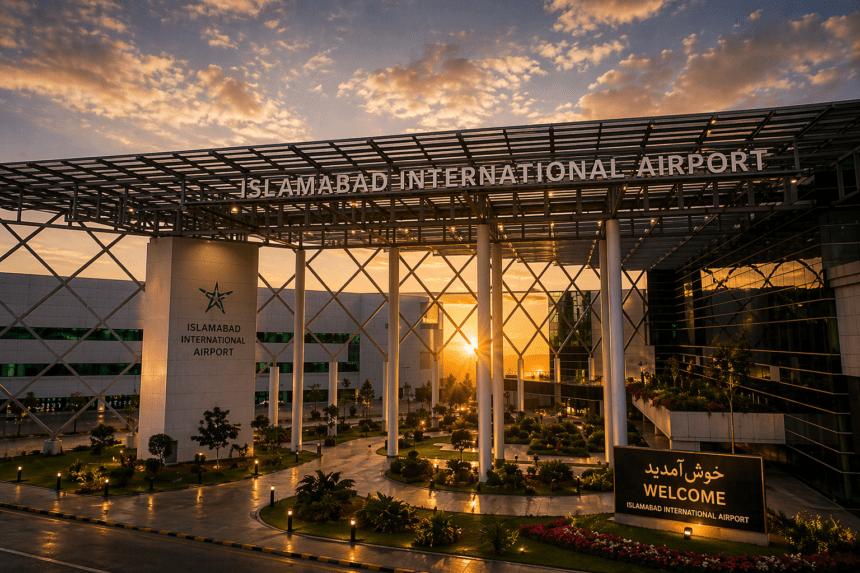
The new system digitizes passenger verification and baggage handling, linking the country’s busiest hubs—Karachi, Lahore, and Islamabad—into a single data stream. By integrating these hubs, the CAA expects to cut processing times by nearly 30% during the upcoming winter flight surge.
Critics have long pointed to the “silo effect” within Pakistan’s aviation sector, where security agencies often operated with conflicting mandates. While the government maintains this upgrade is necessary for international compliance and safety audits, some analysts suggest the real challenge lies in training. Installing software is one thing; getting thousands of ground staff to abandon decades-old manual habits is another.
Funding for the overhaul was drawn from the aviation sector’s modernization budget, a move that faced initial pushback from those prioritizing runway repairs over administrative integration. However, with international aviation bodies applying pressure for standardized safety protocols, the government opted for the unified command model as a prerequisite for maintaining high-tier safety ratings.
For the average traveler, the change is meant to be invisible—a faster walk through security and fewer stop-and-start checkpoints. Whether the system can withstand the pressure of a major holiday rush remains the true test of this digital integration.
For now, the transition is underway, replacing decades of manual oversight with a centralized digital nervous system.