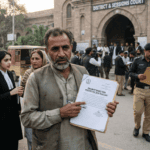
An accountability court in Lahore has suspended the red warrants for Rabia Imran and her husband, Ali Imran, effectively clearing the path for their return to Pakistan. The couple has been living in London for years, remaining at the center of the long-running Saaf Pani corruption case.
Judge Ali Raza issued the order after the defense counsel argued that the warrants were issued without sufficient legal grounds. The court’s decision follows a years-long standoff between the National Accountability Bureau (NAB) and the family of Prime Minister Shehbaz Sharif.
The Saaf Pani case centers on allegations of corruption and procedural irregularities during the implementation of the Punjab Saaf Pani Company project. Prosecutors have long alleged that the project—intended to provide clean drinking water to millions—was marred by massive embezzlement and the awarding of contracts to favored firms.
Ali Imran, the Prime Minister’s son-in-law, faced specific allegations regarding his involvement in the procurement process. Rabia Imran’s name was linked to the case through various financial transactions that investigators claimed were tied to the project’s funds. Both have consistently denied the charges, labeling the investigation a politically motivated effort to target the Sharif family.
For years, the couple remained in the UK, dodging multiple summons from NAB. The bureau had sought assistance from Interpol to secure their arrest, leading to the issuance of red warrants that restricted their ability to travel internationally.
The suspension of these warrants marks a significant shift in the legal landscape surrounding the Sharif family’s cases. With the legal hurdles removed, sources familiar with the matter suggest the couple is planning to return to Pakistan soon.
While the warrants are currently suspended, the underlying corruption references remain active in the accountability court. The legal battle over the Saaf Pani project is far from over, but the removal of the international arrest orders signals a new phase in the trial—one that will now play out in a Lahore courtroom rather than through diplomatic and law enforcement channels abroad.