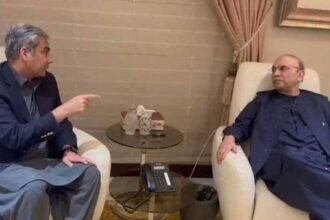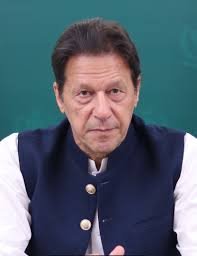
Pakistan Tehreek-e-Insaf’s jailed founder, Imran Khan, is reportedly unhappy with the performance of three senior party figures — Hamid Khan, Salman Akram Raja and Intizar Panjotha — in the latest sign that tensions inside the opposition party are far from over. ARY News reported on April 23 that Khan conveyed displeasure over the trio’s role and performance, while the latest friction appears to be unfolding against a wider backdrop of mistrust, missed meetings and public criticism within PTI.
The timing matters. Just days earlier, several senior PTI leaders were expected to meet Khan at Adiala jail, but no one arrived before the visiting window closed. Reports in Dawn, Express Tribune and Pakistan Today said the list submitted for that meeting included some of the same names now under scrutiny, among them Hamid Khan, Salman Akram Raja and Intizar Panjotha. That no-show quickly fed the impression that the party’s internal problems were no longer being contained behind closed doors.
Salman Akram Raja has already been under pressure in recent days. ARY reported that he rejected allegations levelled by Aleema Khan, Imran Khan’s sister, and pushed back hard against the idea that he was helping the government or clinging to party office. Dawn, meanwhile, said Raja had faced intense criticism on social media and had even said he would send his resignation to Imran Khan after the backlash. That doesn’t prove the current complaint is only about him, but it does show how personal and public the party’s disputes have become.
This is not an isolated episode. Reporting over recent months has pointed to a broader PTI power struggle, especially in Khyber Pakhtunkhwa, where factional disagreements, conflicting protest strategies and leadership disputes have repeatedly spilled into public view. Geo and The News have both described a deepening internal crisis, while Express Tribune recently portrayed the party as wrestling with a bruising internal contest over direction and authority.
What happens next is less clear. There has been no obvious sign yet, from the reports reviewed, of immediate disciplinary action against the three men. But the political message is pretty plain: even as PTI tries to project unity from outside Adiala jail, the leadership still seems caught in recurring rounds of blame, suspicion and mixed signals. For a party built so heavily around Khan’s authority, that kind of internal drift can become a story of its own — and, frankly, it already is.