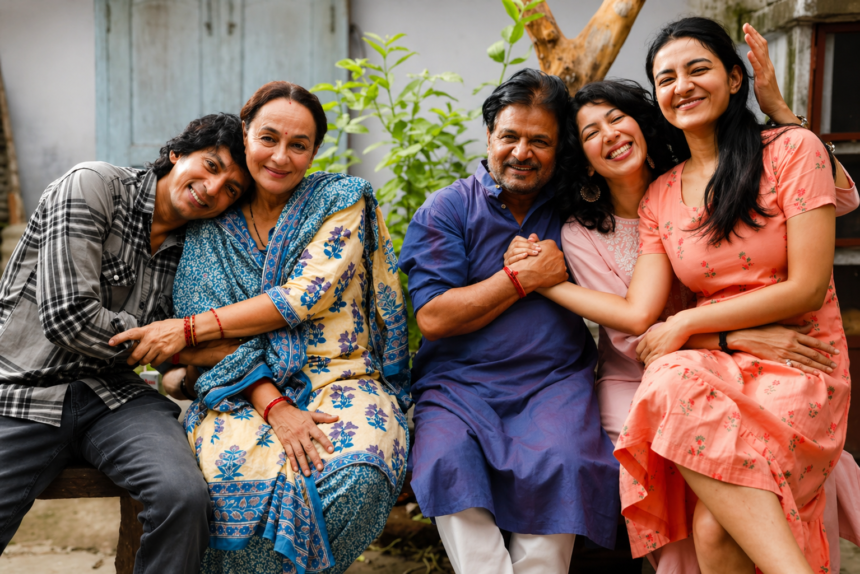
Mumbai-based independent production house First Ray Films is heading to the 2026 Cannes Film Market with a six-picture slate, marking a notable moment for a company that has spent the past decade building a reputation around offbeat, genre-leaning Hindi cinema. The banner, founded by actor producer filmmaker Anshuman Jha, is using the Marché du Film to showcase projects lined up across 2026 to 2028, as it looks to widen its international footprint just as it enters its second decade.
The timing is hard to miss. Cannes remains the biggest shop window in the global film trade calendar, and this year’s market runs from May 12 to May 20, alongside the 79th Festival de Cannes. For an Indian indie banner, showing up with a ready-made slate rather than a single title signals ambition — and, frankly, a bit of confidence too. The official Marché du Film says the event draws around 15,000 professionals from 140 countries, making it one of the most important places anywhere for sales, financing and co-production conversations.
According to the reported slate details, the near-term release line-up includes Lord Curzon Ki Haveli, Hari Ka Om and Lakadbaggha 2. That gives First Ray a mix of tones and audience lanes: a black comedy thriller, an emotional father-son drama, and a sequel to the action title that helped sharpen the company’s genre identity. Secondary coverage tied to the announcement says these three films are the ones expected to lead the company’s theatrical push over the coming months, while three additional projects are being lined up for production from 2026 onward.
Lord Curzon Ki Haveli is especially significant because it marks Jha’s directorial debut. The film has been described as a black comedy thriller, with earlier listings and festival coverage positioning it as a Hindi-English title built around a dinner gathering that spirals into something darker and stranger. That sort of tonal swing unsettling, playful, slightly risky — fits neatly with the kind of cinema First Ray has tried to back since its early years.
Then there’s Hari Ka Om, directed by Harish Vyas, which appears to sit on the opposite end of the emotional spectrum. Festival and trade coverage describe it as a father-son drama centered on a retired astrologer who, after a health scare, believes he has only days left and sets out to reconnect with his estranged son on a journey to Varanasi. It has already built some festival visibility, including screenings in Europe and elsewhere, which gives First Ray a title that may travel differently from its harder edged genre films.
The commercial wildcard may be Lakadbaggha 2: The Monkey Business. Reports from March said the sequel is targeting a Diwali 2026 release, with Sanjay Shetty directing and Anshuman Jha returning in front of the camera. For First Ray, that sequel matters beyond fan recognition. It suggests the company is not only nurturing festival-facing titles, but also trying to build repeatable intellectual property something independent Indian producers often talk about, but don’t always get the chance to execute.
That bigger picture is really the story here. First Ray has long pitched itself as a home for “high-concept” storytelling, and its own company profile says it aims to bridge aesthetic storytelling with commercial releases. Over the years, the banner has been associated with films such as Mona_Darling, Hum Bhi Akele, Tum Bhi Akele and Lakadbaggha projects that didn’t necessarily sit in the safest, most obvious mainstream lane. In an Indian market where independent producers are often squeezed between star-led theatrical cinema and platform driven content strategies, surviving 10 years is one thing. Arriving at Cannes with six films to sell is something else.
There’s also a wider industry context that makes this move feel timely Indian participation at the Marché du Film has been growing through official delegations, co-production efforts and talent initiatives, including new scholarship and industry-access programs linked to Indian professionals this year. First Ray’s Cannes slate lands in that atmosphere — one where smaller Indian companies are increasingly trying to meet the world on market terms, not just festival prestige.
Whether the company converts that presence into distribution deals or financing partnerships is the part the market will decide. But the signal is already clear enough: First Ray Films doesn’t want to be seen as a small banner that simply lasted 10 years. It wants to be seen as an Indian independent studio with a pipeline, a point of view, and now, a place on one of cinema’s biggest global trading floors.