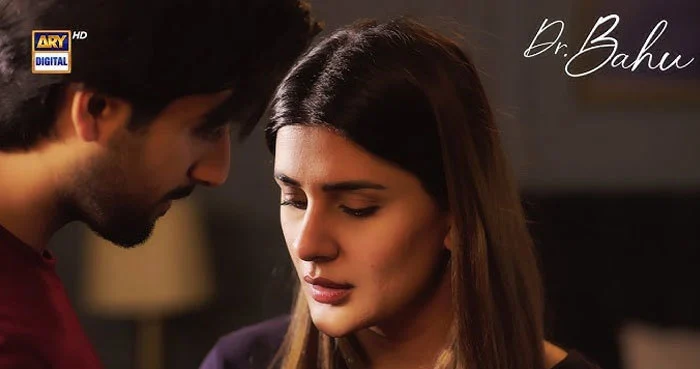
Pakistani television has long been a graveyard for romance. Between the endless cycle of domestic power struggles and the obsession with high-stakes tragedy, genuine intimacy has been sidelined. Dr. Bahu, however, is changing the math. By prioritizing slow-burn connection over the industry-standard histrionics, the series is carving out a niche that feels less like a soap opera and more like a human experience.
For years, local producers banked on a singular formula: the long-suffering daughter-in-law versus the manipulative matriarch. It pulled in ratings, but it left the audience starved for something else—actual chemistry. Dr. Bahu isn’t ignoring the cultural realities of the country, but it is refusing to let them suffocate the protagonists’ relationship. The result is a dynamic that feels earned, not scripted to fill a time slot.
The show’s success exposes a flaw in the industry’s logic. Executives have spent a decade insisting that viewers only want melodrama. Dr. Bahu proves the opposite. When the lead characters share a frame, the tension isn’t manufactured through screaming matches or contrived misunderstandings. It’s built through glances, pauses, and dialogue that actually sounds like something two people in love—or struggling to be—would say to each other.
Critics have noted that the show’s restraint is its greatest asset. In an industry where emotions are usually dialed to eleven, this quiet approach lands harder. The writers have resisted the urge to force the couple into constant conflict, allowing the relationship to breathe. It’s a gamble that has paid off in viewer loyalty, as social media discourse around the show frequently centers on the nuances of these interactions rather than the usual plot-driven outrage.
This isn’t just about a romantic subplot; it’s about a shift in tone. If the industry continues to lean on outdated tropes of “saas-bahu” warfare, it risks losing a younger generation that is already consuming better-produced, more grounded stories on global streaming platforms. Dr. Bahu is essentially a case study in how to retain a traditional audience while modernizing the delivery.
Whether this marks a permanent shift in how Pakistani television approaches romance remains to be seen. However, for now, it stands as a rare example of a production that trusts its audience to appreciate a story that doesn’t need to shout to be heard. It’s a quiet rebellion, but it’s working.