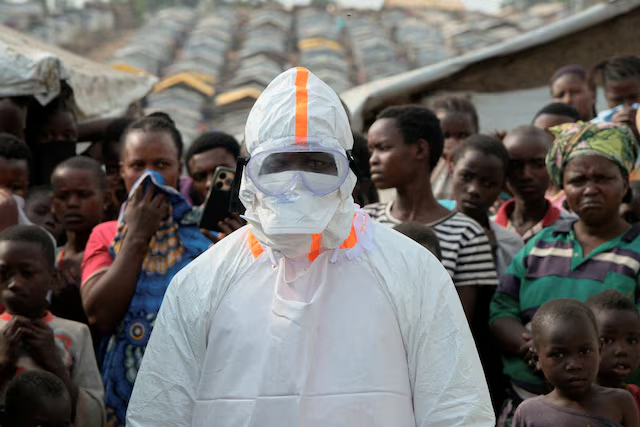
The decision by Congo to tighten travel rules after an Ebola case was reported in France reflects the seriousness with which infectious disease outbreaks must be managed. When diseases have the potential to cross borders, governments are often required to take swift measures to protect public health while minimizing unnecessary disruption.
In my view, stronger travel monitoring and health screening can help slow the spread of Ebola if they are implemented based on scientific evidence and coordinated with international health authorities. However, travel restrictions alone cannot stop an outbreak. Effective surveillance, rapid contact tracing, and access to medical care remain essential.
The situation also highlights the importance of global cooperation. Infectious diseases do not recognize national borders, making it vital for countries to share information, resources, and expertise to contain outbreaks before they escalate.
Ultimately, the Ebola case serves as a reminder that preparedness, transparency, and international collaboration are the strongest tools for protecting public health. A balanced response that safeguards both public safety and the movement of essential services is crucial during health emergencies.