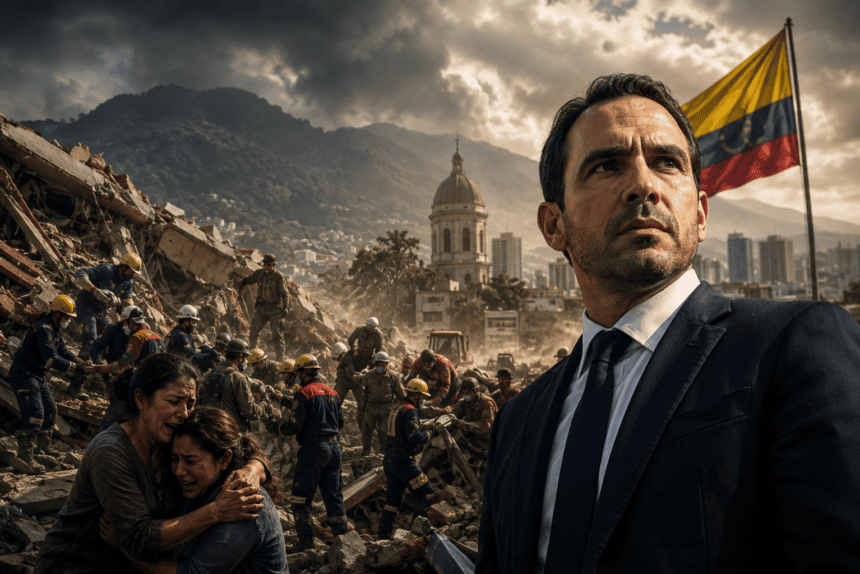
BOGOTÁ — A powerful earthquake struck Colombia’s central region early Tuesday, delivering an immediate, high-stakes crisis for President Abelardo De La Espriella just weeks into his term. The tremor, measured at 6.1 magnitude by the Colombian Geological Service, caused widespread panic in Bogotá and triggered structural collapses in several departments.
De La Espriella, a prominent lawyer who campaigned on a platform of institutional reform, faced his first real-world test as the ground shook. He arrived at the National Unit for Disaster Risk Management (UNGRD) headquarters within two hours of the initial quake, ditching the typical slow-rolling bureaucratic response for a more visible, hands-on approach.
His administration’s ability to mobilize aid will define the early perception of his leadership. For a president who built his career in the courtroom, the transition to disaster management is unforgiving. Disaster zones don’t care about legal rhetoric; they require logistics, funding, and immediate boots on the ground.
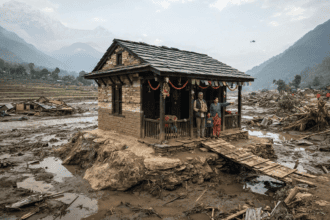
Emergency crews are currently scouring the worst-hit areas in Meta and Cundinamarca, where reports of collapsed residential buildings and severed rural roads continue to surface. Local officials have confirmed at least four fatalities, though that number remains fluid as search-and-rescue teams navigate debris.
“We are shifting all available resources to the epicenter,” De La Espriella told reporters outside the command center. He spoke sharply, avoiding the usual political fluff. “My priority isn’t the political optics. It’s the roof over these families’ heads tonight.”
Critics have already begun questioning the state’s preparedness. Opposition lawmakers point to the slow rollout of emergency funds in the region, arguing that infrastructure maintenance was ignored long before the current administration took office. It’s a familiar critique, but one that lands harder now that the administration is directly responsible for the response.
The earthquake also exposes a deeper vulnerability. Colombia’s mountain geography makes disaster relief a logistical nightmare, and the national budget is already stretched thin. De La Espriella’s team must now decide where to trim spending to cover the emergency costs—a move that will inevitably spark conflict in Congress.
The next 48 hours are critical. If the aid reaches the most isolated villages quickly, the president secures a crucial early victory. If the response stalls, the disaster will become a permanent mark on his tenure.
For now, the country is watching the disaster response. De La Espriella is no longer just the lawyer in the spotlight; he is the man responsible for the recovery.