NADRA is rolling out a mandatory verification protocol for social media users across Pakistan, aiming to curb the rise of digital identity theft and the spread of misinformation. The authority confirmed today that users must now link their official digital ID to their platform accounts to maintain verified status.
The move follows a surge in complaints regarding fraudulent accounts posing as public officials and high-profile figures. By syncing platform data with the national database, the authority intends to strip anonymity from accounts used for coordinated harassment or financial scams.
“We are closing the window for anonymous bad actors,” a senior official at the authority told reporters Tuesday. He noted that the integration process is designed to be seamless, though he stopped short of confirming whether accounts failing to verify by the end of the quarter would face permanent suspension.
The policy shift forces a reckoning for the country’s massive digital population. Users who have long operated under pseudonyms or secondary accounts will now need to prove their identity through the national system. While privacy advocates warn that this could stifle legitimate dissent, the government maintains that the measure is a necessary step to secure the country’s digital space.
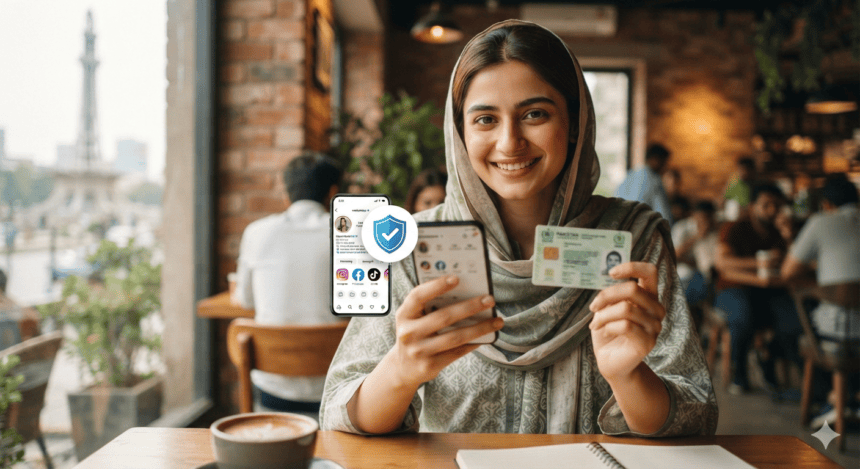
The technical framework relies on an API handshake between major platforms—including Meta and X—and the national database. Once a user triggers the verification request, the system cross-references the provided credentials against existing records. If the data matches, the account receives a “Trusted Identity” badge.
Implementation begins in major urban centers this week, with a nationwide rollout scheduled for next month. Officials have advised users to ensure their mobile numbers and residential details are updated in the system before initiating the verification request, as outdated information will trigger an automatic rejection.
For now, the focus remains on high-traffic accounts and verified public figures. Whether the mandate will successfully sanitize the digital landscape or merely drive illicit activity further underground remains the primary question for regulators.