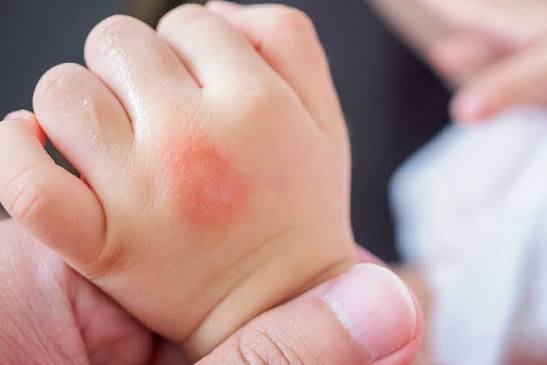
Mosquito bites can leave behind itching, redness, swelling and irritation that may last for several days. Although most bites are harmless and improve on their own, scratching can make the inflammation worse and increase the risk of breaking the skin and developing an infection. Fortunately, several simple measures can help calm the irritation.
1. Clean the Bite and Avoid Scratching
The first step after noticing a mosquito bite is to gently wash the affected area with soap and water. Keeping the skin clean can help reduce the risk of infection.
Try not to scratch, even when the itching becomes intense. Scratching can damage the skin and make swelling and inflammation worse.
2. Apply an Ice Pack
Cold can provide quick relief from mosquito-bite itching. After cleaning the area, place an ice pack or cold compress on the bite for about 10 minutes.
Cooling the skin can reduce the sensation of itching by affecting nerve signals in the skin.
3. Use an Anti-Itch Cream
Over-the-counter products such as calamine lotion or hydrocortisone cream can help reduce itching and irritation. Some topical products containing ingredients such as lidocaine or benzocaine can temporarily numb the area and provide additional relief.
However, some products may not be suitable for young children, so always check the product instructions before use.
4. Consider an Antihistamine
For particularly itchy bites, a non-drowsy over-the-counter antihistamine may help reduce itching and swelling by blocking the effects of histamine released during the body’s reaction to the bite.
People should follow the recommended dosage and ask a healthcare professional or pharmacist if they are unsure whether an antihistamine is appropriate for them.
5. Try Lemon Balm Cream
Lemon balm contains compounds with anti-inflammatory properties and may help soothe the skin after a mosquito bite. It may also support healing and reduce the risk of infection.
However, evidence for some natural remedies is limited, so they should not automatically be considered safer or more effective than established treatments.
6. Use an After-Bite Gel
After-bite gels are specifically designed to calm irritation caused by insect bites. They may help reduce itching and skin discomfort and can be useful when a bite continues to feel irritated.
Home Remedies You Should Be Careful With
Not every popular mosquito-bite remedy has strong evidence behind it. Health advises avoiding or being cautious with remedies such as toothpaste, garlic, honey, vinegar, lemon or lime juice, basil and aloe vera, as their effectiveness or safety for treating mosquito bites has not been adequately established.
How to Prevent Mosquito Bites
Preventing bites is often easier than treating them. Wearing long sleeves and trousers, using an appropriate insect repellent and sleeping under mosquito nets can reduce exposure. Removing standing water from buckets, flowerpots, birdbaths and other containers can also help reduce mosquito breeding sites.
When Should You See a Doctor?
Most mosquito bites are mild, but medical attention is important if you develop signs of a severe allergic reaction, such as swelling of the face or throat or difficulty breathing. You should also seek medical advice if the bite becomes infected or if you develop symptoms such as fever, headache, body aches or a rash after possible exposure to mosquito-borne diseases.
The Bottom Line
Most mosquito bites can be managed at home with simple measures such as washing the area, applying ice and using appropriate anti-itch treatments. Avoiding scratching and taking steps to prevent future bites can further reduce complications and discomfort.