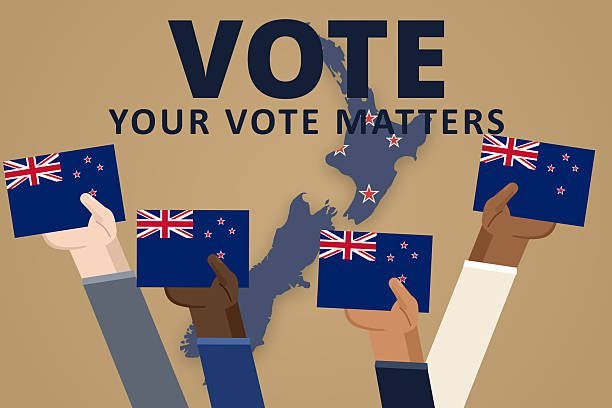
New Zealand is preparing for an important general election that could bring major changes to the country’s political landscape. The election has attracted attention because public support for the two major political parties has reportedly declined due to growing dissatisfaction with the economy.
According to a report published by The New York Times on 5 November 2026, many voters are becoming frustrated with economic conditions and are looking for political alternatives. The two major political blocs are led by politicians named Chris, and both are facing challenges as voters consider supporting smaller political parties.
The rising cost of living, economic difficulties and public dissatisfaction have become important issues in the election campaign. Many people want political leaders to address their everyday problems, improve economic conditions and provide better opportunities for the future.
Smaller political parties may also play an important role in this election. New Zealand follows a proportional representation system, which means that smaller parties can win seats in Parliament and influence the formation of the government.
The election could therefore change the balance of political power in the country. If smaller parties gain more support, the major parties may need to negotiate with them to form a government.
The result will be important not only for New Zealand’s future government but also for the country’s economic policies and political direction.