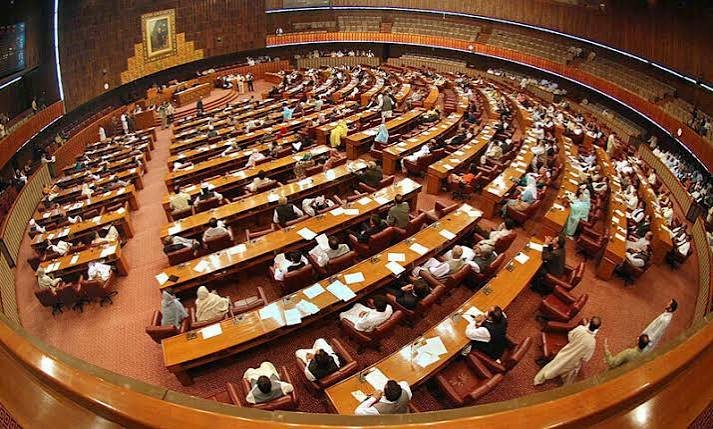
The upcoming session of Pakistan’s National Assembly is likely to be rescheduled, according to parliamentary sources, raising questions about the government’s legislative timetable and plans to discuss important national matters.
The session was earlier expected to take place on November 16, 2026. However, reports suggest that a change in the schedule is under consideration. The final decision is expected to depend on consultations among the relevant authorities.
National Assembly Session Faces Possible Schedule Change
According to parliamentary sources, the government is considering changes to the planned schedule of the National Assembly session.
The proposed meeting was expected to discuss important legislative matters, including bills linked to Pakistan’s commitments under the International Monetary Fund (IMF) programme.
However, a possible change in the date could affect the government’s plans to introduce and pass important legislation.
Important Legislation on the Agenda
The upcoming parliamentary session is expected to be significant because several important legal and economic matters may come under discussion.
These include:
- Legislation connected with Pakistan’s IMF programme.
- Important economic and financial reforms.
- Proposed amendments to existing laws.
- Other national and parliamentary matters requiring legislative approval.
The government is expected to use the parliamentary forum to discuss and advance its legislative agenda.
Political Importance of the Session
The National Assembly plays a central role in Pakistan’s democratic system. Parliamentary sessions provide an opportunity for government and opposition lawmakers to debate national issues, examine proposed legislation and raise public concerns.
Any change in the session’s schedule could therefore have political as well as legislative implications.
The timing is particularly important when the government is seeking parliamentary support for economic reforms and other important decisions.
Official Confirmation Still Awaited
Although parliamentary sources indicate that the session may be rescheduled, the revised date and time should be treated as unconfirmed until an official announcement is issued.
The National Assembly Secretariat and relevant government authorities are responsible for communicating the final schedule.
Conclusion
The possibility of rescheduling the National Assembly session has drawn attention to the government’s upcoming legislative plans.
With important economic and legal matters expected to be discussed, the session could play an important role in shaping the country’s policy direction.
The next announcement from parliamentary authorities will clarify whether the proposed November 16 meeting will proceed as planned or take place on a revised date.