BRUSSELS: The European Union has expanded its economic pressure on Russia by imposing fresh sanctions on nearly 50 banks and financial institutions, alongside individuals and companies operating in the country’s energy and oil sectors.
The European Council announced on Monday that 113 individuals and entities had been added to its sanctions list, comprising 12 individuals and 101 organisations.
The latest measures are intended to restrict financial channels used to process Russian state revenues and fund its military operations in Ukraine.
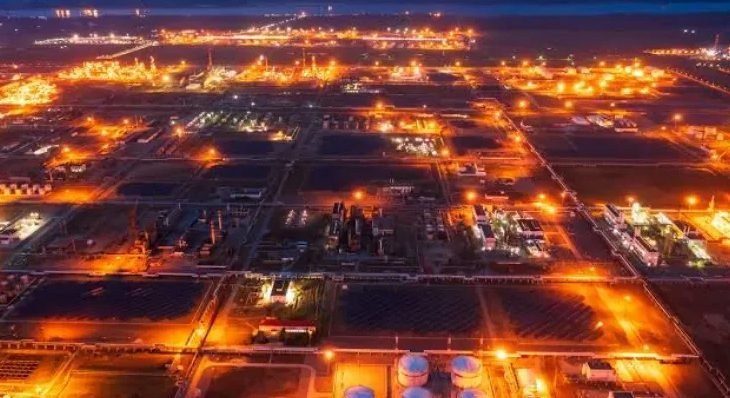
The sanctions also cover companies involved in managing Russian oil refineries, the St Petersburg oil terminal and businesses engaged in oil exploration and production.
Russia’s oil trade and financial networks targeted
The EU has also expanded restrictions on Russia’s so-called shadow fleet, a network of vessels used to transport Russian oil while attempting to bypass international restrictions.
Companies based in the United Arab Emirates, China, Seychelles and Oman that purchase Russian-origin crude oil have been included in the latest measures. Businesspeople associated with the ownership and management of sanctioned vessels have also been targeted.
The bloc said restrictions on the banking sector would further limit Moscow’s ability to move financial resources through international channels.
Under the sanctions, listed individuals and entities face asset freezes and restrictions on receiving funds or economic resources. Individuals included in the list are also subject to travel bans across the European Union.
The latest action forms part of Brussels’ wider strategy to reduce Russia’s energy revenues, restrict sanctions evasion and increase economic pressure over its ongoing war against Ukraine.
The EU reiterated its support for Ukraine’s sovereignty and territorial integrity, saying it would continue taking measures against networks and economic activities that help finance Russia’s military campaign.