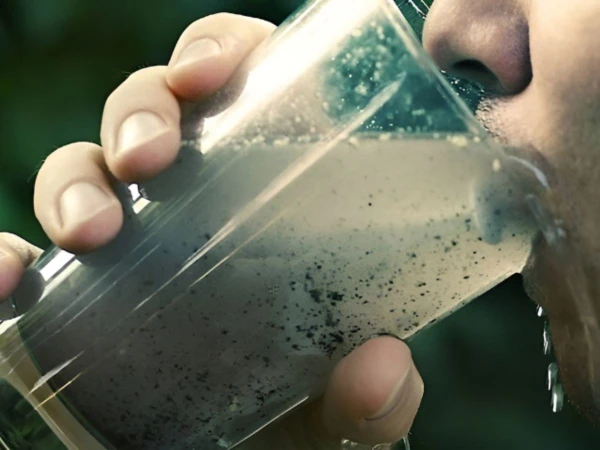
The use of contaminated drinking water in Karachi has led to a significant rise in skin, stomach, and eye-related diseases. According to health experts, polluted water has become a serious public health crisis not only in Karachi but across Sindh, affecting millions of people annually and costing millions of rupees in medical treatment.
The World Health Organization (WHO) states that 70% of diseases in Pakistan are caused by the consumption of unsafe water. Experts estimate that over 50,000 people, the majority of them children, die each year across the country due to diarrhea and other stomach-related illnesses. In Karachi alone, nearly 20,000 children reportedly die annually as a result of waterborne diseases.
Medical experts warn that contaminated water contains harmful bacteria, viruses, fungi, and chemicals that lead to various skin conditions such as fungal infections (Tinea), eczema, scabies, impetigo, folliculitis, and dermatitis. Dermatologist Dr. Shumail Zia explained that high salt content in polluted water is also a contributing factor to the spread of eczema.
Eye diseases are also on the rise. According to eye specialist Dr. Zia Iqbal, contaminated water can cause conjunctivitis, trachoma, corneal ulcers, fungal eye infections, allergic conjunctivitis, and uveitis — some of which can lead to permanent vision loss. He noted that using unsafe water for bathing, laundry, and swimming is exacerbating the spread of these conditions.
The crisis is further worsened by the poor performance of the Karachi Water and Sewerage Corporation (KWSC). According to Mohsin Raza, General Secretary of the People’s Labour Union, only 3 out of the city’s 9 water filtration plants are functional, while the remaining 6 have been out of service for several years. These plants are failing to add the required amount of chlorine to the water, leaving citizens exposed to life-threatening illnesses.
Raza further revealed that 645 million gallons of water are supplied daily from Keenjhar Lake and Hub Dam. This volume requires 240 chlorine cylinders per month, yet only 150 are being provided. He also disclosed that over 15 million gallons of water from the Old Pumping Station are either stolen or diverted to water tankers, depriving residents of clean water access.
He claimed that the NEK Pumping Station’s filtration plant has completely dried up, making chlorination impossible. Additionally, water from the K3 system bypasses the filtration plant and reaches consumers without any chlorine treatment, posing severe health risks.
Experts have urged the public to use clean and safe water, maintain personal hygiene, and seek medical attention promptly if symptoms occur. They also called on the government and civil society organizations to launch extensive awareness campaigns about the dangers of contaminated water and to ensure the provision of safe drinking water, especially in underprivileged areas.