By using this site, you agree to the Privacy Policy and Terms of Use.
Accept
Media HydeMedia Hyde
  • Home
  • Politics
  • Education
  • Entertainment
  • Sports
  • Blogs
  • Business & Commerce
  • Others
    • Religious
    • Metropolitan
    • Climate and Weather
Font ResizerAa
Media HydeMedia Hyde
Font ResizerAa
  • Home
  • Politics
  • Education
  • Entertainment
  • Sports
  • Blogs
  • Business & Commerce
  • Others
    • Religious
    • Metropolitan
    • Climate and Weather
Follow US
© 2025 Media Hyde Network. All Rights Reserved.
Climate and Weather

Scientific First: ‘Slow Motion’ Earthquakes Captured in Real Time

Last updated: July 9, 2025 2:04 am
Sana Mustafa
Share
SHARE

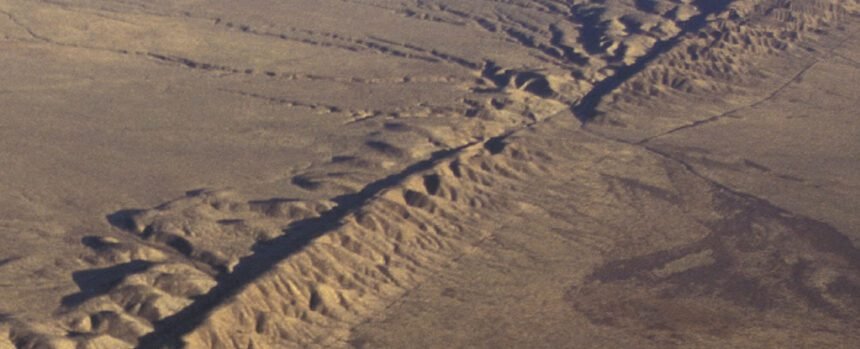
In a groundbreaking scientific achievement and a mile stone, researchers have captured “slow-motion” earthquakes happening in real time a major step forward in understanding and predicting powerful earthquakes and tsunamis.

These rare events, known as slow slip earthquakes (SSEs), release underground pressure not in minutes like typical quakes, but slowly over days or even weeks. Though they’re too gentle to be felt or cause immediate damage, they play a critical role in either releasing or building up stress along fault lines.

A research team from the University of Texas Institute for Geophysics (UTIG) successfully monitored two such events one in 2015 and another in 2020 using deep sea borehole sensors near Japan’s Nankai Trough, a major earthquake zone where the Philippine Sea Plate slides beneath the Eurasian Plate.

Hydrogeophysicist Josh Edgington compared the slow quake to “a ripple moving across the plate interface,” acting like a tectonic shock absorber that relieves pressure quietly and slowly. These findings confirm theories that such quakes influence the buildup or release of stress, which could eventually lead to a massive earthquake or tsunami.

This part of the Pacific Ring of Fire is known for violent geological activity, and the technology used here allows scientists to detect tiny shifts in the Earth’s crust sometimes just a few millimeters. This precision is crucial, especially for earthquake-prone regions like Cascadia (off the west coast of North America), which lacks the same “shock absorber” protection as Nankai and could potentially face a devastating magnitude 9 earthquake.

Geophysicist Demian Saffer emphasized that high-tech monitoring, like what was used in this study, is urgently needed in Cascadia. “Are there creaks and groans indicating strain release or is it deadly silent?” he asked, highlighting the importance of early detection.

The study also revealed that high underground fluid pressure may play a role in these slow quakes, and that different parts of the fault might behave independently a discovery that could change how scientists model earthquake risk.

While exact earthquake prediction remains a challenge, research like this is bringing us closer. Every new piece of data, especially from slow motion earthquakes, helps scientists improve forecasting models potentially saving thousands of lives in the future.


Share This Article
Email Copy Link Print
Previous Article Princess of Peaks: Sheikha Asma Joins Pakistan Tourism
Next Article Laptop Scheme Inaugural Ceremony to Be Held on July 25 at Jinnah Convention Center
Leave a Comment

Leave a Reply Cancel reply

Your email address will not be published. Required fields are marked *

Sponsored Ads

Stay Connected

FacebookLike
XFollow
InstagramFollow
YoutubeSubscribe
WhatsAppFollow
ThreadsFollow
Ducky Bhai Breaks Silence, Says “Sorry” to the Nation
Entertainment
December 7, 2025
Khaqan & Sabeena Celebrate Engagement in Punjabi Style
Entertainment
December 7, 2025
Thomas Markle Makes Heartbreaking Plea to Meghan for ‘One Last Visit’
Entertainment
December 7, 2025
Deepika Padukone Stuns Fans With Striking Winter Look
Entertainment
December 7, 2025
Karachi to see temperature drop from December 8 due to northwesterly winds: PMD
Climate and Weather
December 7, 2025
Aligarh Institute Launches ‘Student of the Month’ Award for Freshers
Education
December 7, 2025

You Might Also Like

Climate and Weather

Shrinking Ice on Great Lakes Puts Winter Culture and Safety at Risk

By Wajeeha Batool
Climate and Weather

NASA Data Warns Extreme Weather Events Are Surging at Alarming Rate

By Sana Mustafa
Climate and Weather

“Flood Alert Again: India Opens Sutlej Gates, Pakistan on High Alert”

By Anoosha Malik
Climate and Weather

Snow and Ice Warnings Issued Across Scotland

By Wajeeha Batool
Media Hyde Media Hyde Dark
Facebook Twitter Youtube Rss Medium

About US

Media Hyde Network: Your instant connection to breaking stories and live updates. Stay informed with our real-time coverage across politics, tech, entertainment, and more. Your reliable source for 24/7 News.

Top Categories
  • Headline
  • Politics
  • Entertainment
  • Education
  • Sports
  • Religious
  • Metropolitan
  • Climate and Weather
Usefull Links
  • Contact Us
  • Disclaimer
  • Privacy Policy
  • Cookies Policy
  • Advertising Policy
  • Terms & Conditions

© 2025 Media Hyde Network. All Rights Reserved.

adbanner
Welcome Back!

Sign in to your account

Username or Email Address
Password

Lost your password?