LAHORE
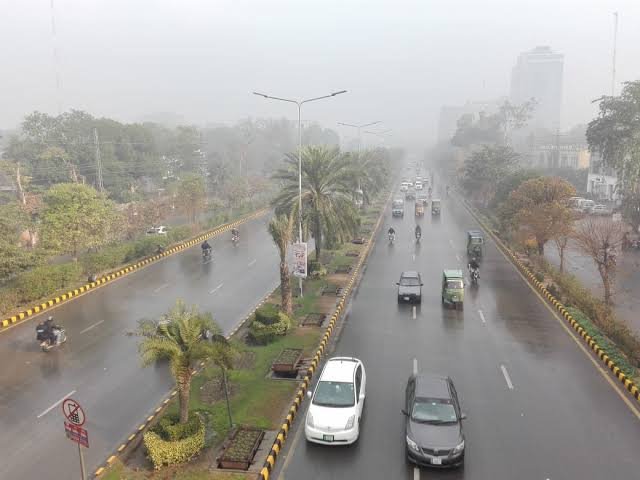
Torrential monsoon rains battered Punjab on Monday, leaving at least five people dead and disrupting daily life in several cities. In Lahore, heavy rainfall submerged major roads, caused widespread power outages, and brought urban activity to a grinding halt.
According to local officials and rescue teams, weather-related incidents—including roof collapses and lightning strikes—claimed lives in Okara, Manchinabad, and Kasur. In one tragic case, the roof of a madrassa in Manchinabad collapsed during the downpour, killing two children—eight-year-old Salam and ten-year-old Saifullah. Twelve other students, including a teacher, sustained injuries and were rushed to Civil Hospital Manchinabad.
In Okara, a lightning strike killed a girl and another resident, while a third person was seriously injured. In Kasur’s Haveli Nathu Wali, a crumbling roof gave way amid heavy rain, killing 42-year-old Umri Bibi and injuring two others.
Lahore faced some of the worst urban flooding in recent memory. Streets across neighborhoods like Township, Gulberg, Canal Road, Harbanspura, and Shadman turned into streams as sewer systems overflowed and drainage failed. Nishtar Town recorded an alarming 182 mm of rainfall.
The electricity infrastructure couldn’t hold up either. LESCO confirmed that around 142 feeders tripped, cutting power to large swaths of the city for several hours. Many areas—including Shalimar, Mughalpura, Model Town, and Katchi Abadis—remained without electricity for most of the day.
The weather, however, brought some relief from the heat. Lahore’s temperature dipped to a minimum of 27°C and peaked at 33°C, a significant drop compared to previous weeks.
Outside Lahore, the impact of the storm was widespread. Dera Ghazi Khan, Sahiwal, Gujranwala, and Bahawalpur reported flooding in low-lying areas. In Taunsa, runoff from the Sulaiman mountain range caused water levels in nearby streams to rise sharply. Over 20 informal settlements in eastern Taunsa were inundated, forcing residents to flee to safer ground.
Rainfall measurements in the past 24 hours revealed the scale of the downpour: Okara recorded 72 mm, Sahiwal 66 mm, D.G. Khan 51 mm, and Bahawalpur 36 mm, with steady showers continuing in Gujrat, Hafizabad, and other regions.
The Pakistan Meteorological Department forecasts more rain across Punjab until at least July 17. Scattered thunderstorms and localized heavy rainfall are expected, especially in Islamabad, Rawalpindi, Murree, and northern Punjab.
Director General of the Provincial Disaster Management Authority (PDMA), Irfan Ali Kathia, assured the public that while most rivers and canals remain at normal flow, the Indus River at Taunsa is experiencing moderate flooding with flows reaching 426,000 cusecs. District authorities are on high alert.
“All relevant agencies are fully mobilized. We’re monitoring river inflows and urban flooding risks round-the-clock,” said Kathia. “People should avoid unnecessary travel, especially near rivers and water channels.”
The PDMA has urged citizens to remain cautious during the monsoon spell, avoid waterlogged areas, and report emergencies via helpline 1129.