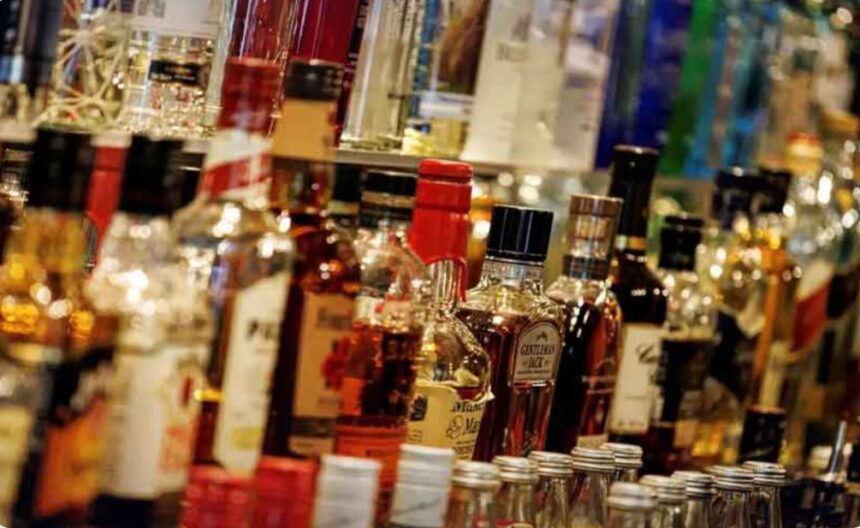
BRUSSELS/MEXICO CITY, Sept 24 (Reuters) – The global alcohol industry, including Belgian brewers, Mexico’s tequila producers and Dutch giant Heineken, lobbied governments this summer to weaken United Nations proposals for tougher rules on alcohol, according to letters and emails reviewed by Reuters.
The $1 trillion sector is pushing back against the World Health Organization’s stance that no level of alcohol consumption is safe. That position, increasingly echoed in UN health policy, comes as consumers cut back on drinking, hitting company profits.
A draft UN-backed agreement to combat non-communicable diseases, published in May, included stronger alcohol-control measures such as tax hikes, advertising restrictions and limits on availability. But a later draft, released earlier this month, shows those measures had been diluted following heavy lobbying.
The WHO last week acknowledged “intense lobbying” by the alcohol industry had influenced the process.
Industry Pressure
Mexico’s National Chamber of the Tequila Industry (CNIT) wrote to its government in May urging it to oppose commitments to raise alcohol taxes or restrict sales, documents show. The later draft only suggested countries “consider” such measures.
Heineken also urged Mexican authorities to replace proposals for broad advertising restrictions with rules targeting ads to minors. Calls for outright restrictions were later dropped.
Belgian Brewers complained in June that Belgium’s health minister was taking “radical positions” on the UN text, emails show. The group objected to language framing all alcohol consumption as harmful, rather than focusing on addiction.
Heineken, CNIT and Belgian Brewers told Reuters that engaging policymakers was standard practice. CNIT argued its input made the agreement more balanced and science-based.
WHO vs. Industry
The WHO maintains that alcohol, even in small amounts, is linked to higher risks of cancer and other diseases.
“There does have to be a shift,” Jeremy Farrar, WHO’s assistant director-general for health promotion, told Reuters.
Industry executives argue the science is more nuanced and stress the social benefits of moderate drinking. Carlsberg CEO Jacob Aarup-Andersen said moderate alcohol use aids socialising and mental health.
Diageo, maker of Johnnie Walker whisky, recently advertised for a global lobbying role, citing “unprecedented challenges” from WHO pressure.
Public health experts, however, caution against industry-led narratives.
“We have to remember these are businesses,” said Eric Crosbie, a professor at the University of Nevada, Reno. “They’re there to make money.”