
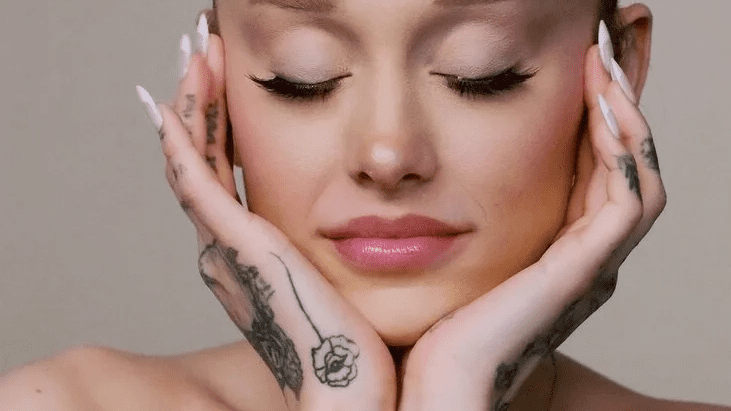
Pop star Ariana Grande has found herself at the center of a social media controversy after a fake post, falsely linked to her, went viral online. The post appeared to show Grande speaking out against white supremacy and supporting unity against hate crimes sparking mixed reactions from internet users.
The fabricated message led some critics to call for a boycott of Grande’s upcoming film Wicked, where she plays the role of Glinda. However, fans were quick to defend the singer, emphasizing that the post was not from her verified account and that she has always shown compassion through her charitable efforts including organizing the “One Love Manchester” concert for bombing victims in 2017.
Fact-checkers have since confirmed that the viral image carries no verification badge, features a mismatched profile photo, and has been reused in earlier online hoaxes, including one falsely attributed to Demi Lovato.
Meanwhile, Grande’s verified social media pages remain focused solely on promoting Wicked and other professional projects, without any political or religious commentary.
This incident serves as another reminder of the dangers of online misinformation and the importance of verifying sources before reacting to sensitive or emotionally charged content.