
Artificial Intelligence (AI) is revolutionizing various fields of life, and the world of medicine is no exception. In a groundbreaking discovery, AI has identified antibiotic properties in an old diabetes drug called Halicin, showing promising effectiveness against “superbugs” bacteria that are highly resistant to existing antibiotics.
According to a new study published in the scientific journal Antibiotics, Halicin was found to be effective against 17 out of 18 types of multi-drug resistant (MDR) bacteria. This positions Halicin as a potential broad-spectrum antibiotic.
Superbugs are bacteria that have developed resistance to multiple antibiotics, making them extremely dangerous. The World Health Organization (WHO) has listed them among the top global health threats.
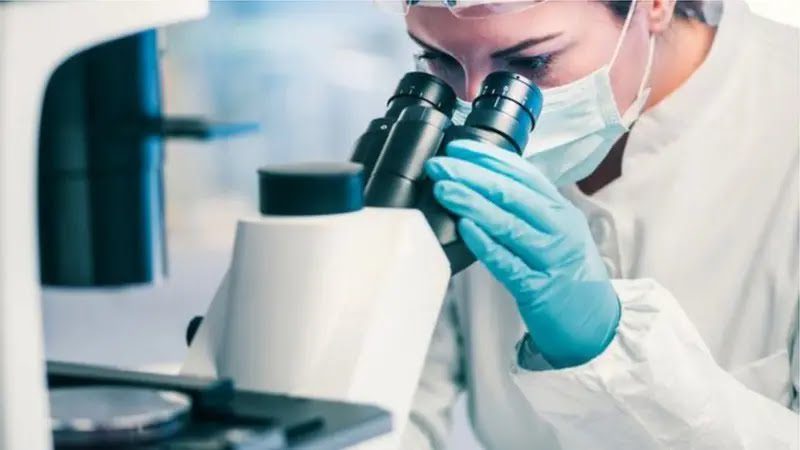
Developing traditional antibiotics is costly and time consuming. Now, AI powered systems are scanning libraries of existing drugs to uncover hidden therapeutic properties. In this case, the AI-assisted study the first of its kind conducted in Morocco tested Halicin against 18 types of MDR bacteria strains collected from local hospitals.
Unlike conventional antibiotics, which typically target bacterial cell walls or protein synthesis, Halicin disrupts the bacteria’s energy production system. This unique mechanism reduces the chances of bacteria developing resistance.
Although the initial results are encouraging, scientists emphasize that further research is necessary before Halicin can be used as a mainstream antibiotic.