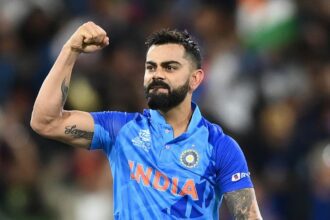
What should’ve been a celebration of cricket is now being remembered for everything but the game. The Asia Cup, a tournament that usually carries the promise of fierce yet friendly competition, has taken a sharp turn into hostility, with India and Pakistan once again letting politics and bitterness spill onto the pitch.
It all started with something small but symbolic — the missing handshakes. At the India-Pakistan clash, both captains walked out for the toss, exchanged words with the referee, but never extended hands to each other. After the game, it was déjà vu. The Indian squad walked straight off the ground, no customary handshakes with Pakistani players, no gestures of mutual respect. On paper, these details may sound minor. In reality, they screamed volumes about the sour mood.
Adding fuel to the fire, India’s captain Suryakumar Yadav used the victory podium to dedicate the win to victims of the Pahalgam attack, which shook Kashmir earlier this year. For Indian fans, that was an emotional moment. For Pakistan, it was politics dressed as cricket. The Pakistan Cricket Board (PCB) wasted little time filing a protest, calling out what they see as unsportsmanlike conduct and even demanding the removal of match referee Andy Pycroft, whom they accuse of unfair handling.
And then came the media storm. Indian outlets celebrated the symbolic win beyond cricket, tying it tightly to national pride and security narratives. Pakistani media, on the other hand, slammed the behavior, saying cricket — once known as a bridge between rivals — is now being turned into a tool of division. The Tribune even called the Asia Cup “a cup of hatred,” echoing the frustration of many fans who tuned in hoping for cricket, not political theater.
The bigger worry is what this means going forward. Sports diplomacy has always been a fragile thread between India and Pakistan, and incidents like these make it even weaker. For younger fans, this tournament may not be remembered for brilliant batting or nail-biting overs, but for bitterness, snubs, and political point-scoring.
Cricket, they say, is a gentleman’s game. But right now, it’s hard to find much gentlemanly about it.