

In a decision that reflects how dramatically digital life is reshaping human relationships, the Cambridge Dictionary has selected “parasocial” as its Word of the Year for 2025 — a term increasingly used to describe one-sided emotional bonds people form with celebrities, online creators and, more recently, artificial intelligence.
Cambridge editors said searches for the word surged throughout the year, driven by growing public curiosity about the emotional impact of influencer culture and the rapid rise of AI chatbots that users often treat like companions.
A Word From Sociology That Became Mainstream
“Parasocial” traditionally refers to a connection a viewer or fan feels toward a public figure who cannot reciprocate the relationship. The concept, first identified by sociologists in the 1950s, has gained new relevance in the age of social media, where intimate content from influencers can blur the lines between audience and friend.
This year, Cambridge broadened its definition to include one-sided bonds with AI systems, acknowledging how often people now confide in or rely on chatbots for emotional support.
Why 2025 Made the Term Impossible to Ignore
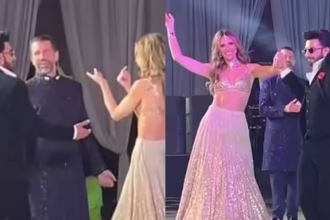
The dictionary team pointed to several cultural flashpoints. Intensified fan reactions to celebrity relationships — including global pop stars and high-profile athletes — pushed the term into public conversation. Meanwhile, creators on platforms such as TikTok and YouTube continued to cultivate personal sharing styles that make audiences feel they “know” them.
At the same time, mental-health researchers and journalists raised concerns about individuals forming deep attachments to AI companions, particularly among young or socially isolated users.
The editors said the term “captured the emotional landscape of the year,” noting its spread from academic circles into everyday news headlines, commentary and online debate.
A Broader Conversation About Digital Connection
Experts say the word’s selection highlights a bigger shift in how relationships function in a hyper-connected world. While parasocial bonds can offer comfort and stability, psychologists warn that they may also heighten unrealistic expectations or create emotional dependence.
Analysts note that the trend underscores both a rise in loneliness and an increased reliance on digital relationships — whether with celebrities who share curated glimpses of their lives, or AI systems designed to respond with warmth and empathy.
Other Words That Defined the Year
Cambridge also spotlighted several additional terms shaped by online culture, including:
-
“Slop” — widely used to describe low-quality or AI-generated content
-
“Memeify” — turning almost any event or moment into a meme
-
Emerging cultural vocabulary such as “delulu,” “skibidi,” and “tradwife”, each tied to fast-moving internet communities
Linguists say the variety reflects how quickly digital trends influence everyday speech.
A Sign of the Times
By naming “parasocial” its Word of the Year, Cambridge appears to be acknowledging a global shift in how people connect — and what those connections now look like. As relationships with influencers, fictional characters and AI systems continue to blur emotional boundaries, the term is expected to remain a significant part of public discussion.