

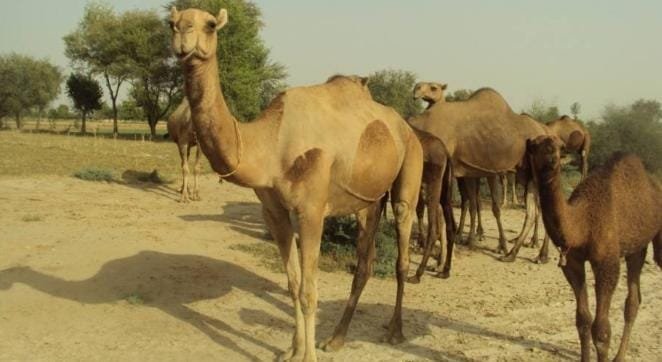
BAHAWALPUR: The camel disease outbreak in the Cholistan Desert (Rohi) has claimed dozens of animals and prompted intensive surveillance and treatment measures by the provincial Livestock Department, officials confirmed. Local authorities say more than 1,100 camels showed symptoms and that teams have examined over 11,000 animals in the past five days to contain the spread.
According to livestock officials in Bahawalpur, the outbreak emerged rapidly across the 66 lakh-acre Cholistan Desert. Field veterinarians are treating affected animals with five types of medicines while laboratory testing is underway to identify the pathogen. Fifty-two samples have been sent to advanced livestock laboratories in Lahore and Islamabad for confirmatory analysis.
What authorities are doing
Livestock department teams have taken immediate steps to limit transmission and manage sick animals:
- rapid field surveillance across the desert, examining more than 11,000 camels in five days
- isolation and treatment of symptomatic animals in coordination with local herders
- collection and dispatch of 52 samples to reference labs in Lahore and Islamabad for diagnostic testing
- administration of multiple medicines and supportive care to affected camels
- advising camel owners to limit movement, report new cases, and cooperate with veterinary teams
Officials said surveillance and containment measures will continue until laboratory results clarify the cause and the spread is controlled.
How serious is the situation?
The Livestock Department described the outbreak as serious because it has already caused animal deaths and involves a large, mobile camel population across an expansive desert region. At present:
- Dozens of camels have died, local officials said.
- More than 1,100 camels displayed clinical symptoms and were undergoing treatment.
- Continuous monitoring and field interventions are in place.
Veterinary confirmation of the exact disease agent is pending laboratory analysis. That diagnostic step is essential to tailor targeted treatments, vaccination (if applicable), and longer-term control measures.
Advice for camel owners, herders and communities
Livestock authorities urge camel owners and herders to take the following precautions immediately:
- isolate any animals with signs of illness and keep them separate from the herd
- notify local veterinary teams promptly and follow their treatment guidance
- limit movement of camels between grazing areas and markets until the situation stabilizes
- follow biosecurity measures advised by field veterinarians (disinfection, controlled access to enclosures)
- avoid selling or transporting symptomatic animals, which can spread infection
Early reporting and cooperation are critical to limit further losses and protect livelihoods in pastoral communities.
Why rapid testing, veterinary support matter
Accurate laboratory diagnosis will determine whether the outbreak is caused by a known infectious agent (bacterial, viral, parasitic) or an environmental/toxic factor. Confirmatory testing enables:
- specific therapeutic strategies and targeted drug use
- appropriate vaccination plans if a vaccine-preventable agent is identified
- evidence-based movement controls and market restrictions
- communication with national animal health authorities and international partners if needed
Livestock experts stress that a scientifically guided response minimizes unnecessary treatments and protects both animal health and pastoral incomes.
Economic, social impact
Camels are a vital asset for many communities in Cholistan, providing transport, milk, and income. A widespread disease event can:
- reduce milk and meat production, harming household nutrition and income
- increase costs for treatment and veterinary care for herders
- disrupt local markets and pastoral livelihoods if movement restrictions are imposed
Authorities have emphasized rapid containment and support to affected communities to reduce long-term damage.