
Chia seeds are considered a highly nutritious food because they are rich in omega 3 fatty acids, fiber, protein, vitamins, and minerals. They help improve digestion, reduce inflammation in the body, and assist in weight management.
However, gastroenterology experts say these seeds are not suitable for everyone. A medical report has warned five groups of people who should either use chia seeds with caution or avoid them altogether.
Who should avoid chia seeds?
According to experts, individuals who have difficulty swallowing or suffer from a narrowed esophagus should use chia seeds carefully.
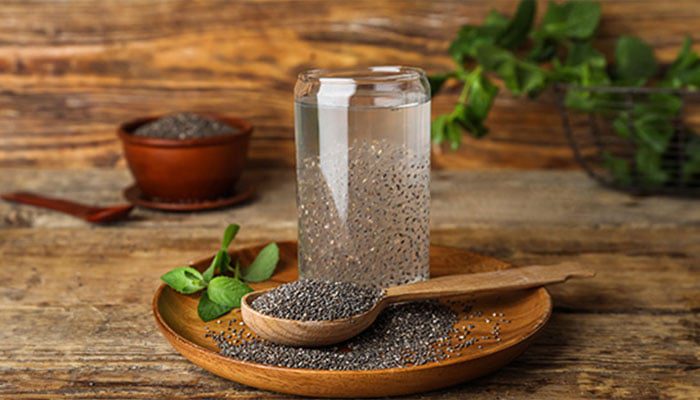
Chia seeds can expand several times their size after absorbing water. Consuming them dry may pose a risk of getting stuck in the esophagus in some individuals, so they should always be soaked before use.
Patients with IBS (Irritable Bowel Syndrome):
Chia seeds contain a very high amount of fiber. A sudden increase in fiber intake may cause bloating, gas, and pain in IBS patients.
People taking blood thinning medications:
The omega 3 (ALA) present in chia seeds has blood thinning properties, so such individuals should consult a doctor before consuming them in large amounts.
Patients with severe digestive disorders:
In conditions like gastroparesis or other motility disorders, the gel like fiber in chia seeds can further complicate digestion.
People with seed allergies:
Although rare, individuals who are allergic to seeds may also be at risk from chia seeds.
Advice from medical experts:
According to nutritionists, chia seeds are generally safe and beneficial for most people, but they should be consumed in the correct way and in appropriate amounts.
Correct way to use chia seeds:
Start with one tablespoon, soak the seeds in water, yogurt, or smoothies before use, and gradually increase the quantity to up to two tablespoons.
Experts emphasize that individuals with health conditions should consult a doctor before adding chia seeds to their daily diet.