

Report by: Amna Iqbal, Karachi
With the onset of the monsoon season, the risk of infectious diseases is on the rise in the city. Recently, a new case of Crimean-Congo Hemorrhagic Fever (CCHF), commonly known as Congo virus, has been reported in Karachi, triggering concern among healthcare professionals.
According to sources, the infected patient was immediately shifted to Jinnah Postgraduate Medical Centre (JPMC), where he has been placed in an isolation ward. The hospital spokesperson confirmed that the patient’s condition is critical and he is under full medical treatment. It is reported that the patient came from a rural area of interior Sindh and had traveled to Karachi in connection with sacrificial animals.
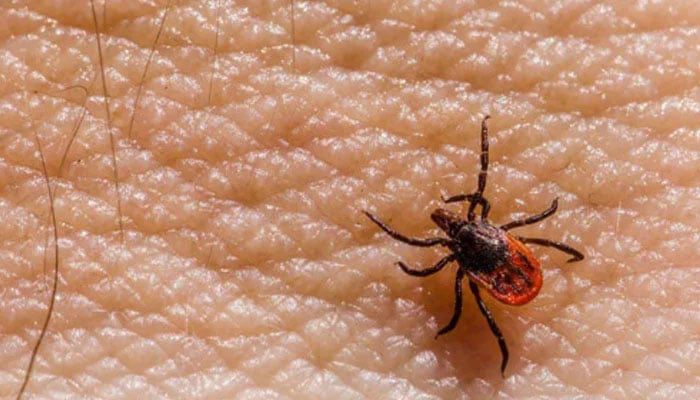
Congo virus is a deadly and life-threatening disease that is primarily spread through ticks and can be transmitted to humans through animals such as cows, goats, camels, and sheep. With Eid-ul-Adha approaching, health experts have urged citizens to take extreme precautions during the purchase and handling of animals.
The Sindh Health Department has taken immediate action by putting various hospitals in the city on high alert. Abbasi Shaheed Hospital, Civil Hospital, and Indus Hospital have been instructed to remain prepared for any emergency situation. Dedicated wards are being allocated for potential Congo virus patients, and hospital staff are being provided with Personal Protective Equipment (PPE).
Doctors stated that symptoms of Congo virus include high fever, severe body pain, nausea, vomiting, and bleeding from the nose or mouth. Anyone experiencing these symptoms is advised to immediately seek medical attention and isolate themselves from others.
Health experts have appealed to the public to avoid direct contact with animals, wear gloves while handling them, and keep children away from livestock. There is also a growing demand for the government to ensure proper spraying, vaccination, and sanitation arrangements in cattle markets.
Although this is the first reported case, experts warn that without proper precautions, the virus may spread further—especially during the days of Eid-ul-Adha.