

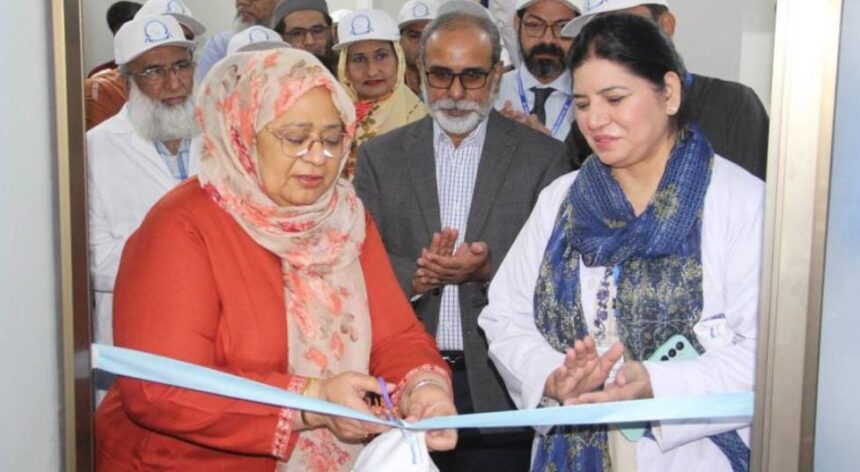
The diabetic foot clinic at the Dow University of Health Sciences (DUHS) has been formally inaugurated at the Ojha Campus, marking a major advancement in Pakistan’s efforts to prevent diabetic foot ulcers, amputations, and long-term disability among patients living with diabetes. The main keyword, diabetic foot clinic, anchors the story due to its direct connection with the initiative’s public health impact.
Vice Chancellor Prof. Nazli Hossain, who inaugurated the clinic, emphasized that Pakistan currently ranks third globally in diabetes prevalence. She noted that untreated or poorly managed diabetes often leads to severe foot complications, many of which result in permanent disability.
Prof. Hossain directed that the newly launched diabetic foot clinic be expanded into a state-of-the-art facility, equipped to offer comprehensive foot care, early ulcer management, and preventive services tailored for high-risk patients.
Senior faculty members attending the inauguration included Dr. Musarrat Riaz (Director, NIDE), Dr. Niaz Soomro, Dr. Nisar Ahmed Sial, Dr. Rustam Zaman, and other DUHS clinicians.
To mark World Diabetes Day, DUHS also organized an awareness walk led by Prof. Hossain. Students, faculty, and staff participated to highlight the importance of early screening, lifestyle modification, and public education.
Experts highlight urgency of early intervention
During a medical awareness seminar at NIDE, Dr. Musarrat Riaz stated that 8 to 10 percent of diabetic patients develop foot ulcers requiring specialized attention. She added that NIDE currently manages nearly 200 diabetic patients daily, underscoring the growing need for specialized foot care facilities.
She explained that early detection and timely treatment can prevent ulcer progression and protect patients from avoidable disability.
Addressing the seminar, Dr. Zareen Kiran highlighted that many women are diagnosed with diabetes during pregnancy and require close monitoring. Controlled blood sugar levels can ensure safer pregnancies, while uncontrolled diabetes increases risks for both mother and child.
Dr. Nida Shakeel shared that one in every four Pakistanis is affected by diabetes. She advised women diagnosed with gestational diabetes to undergo annual follow-up testing. Individuals with obesity, hypertension, or long-term medication use should also receive routine screening to detect diabetes early.
Other speakers, including Dr. Muhammad Farid and Dr. Umar Khan, stressed the need for public awareness, community education, and accessible screening services to limit diabetes-related complications nationwide.
The establishment of the diabetic foot clinic represents a critical expansion of DUHS’s commitment to advancing diabetes care, disability prevention, and community health education.