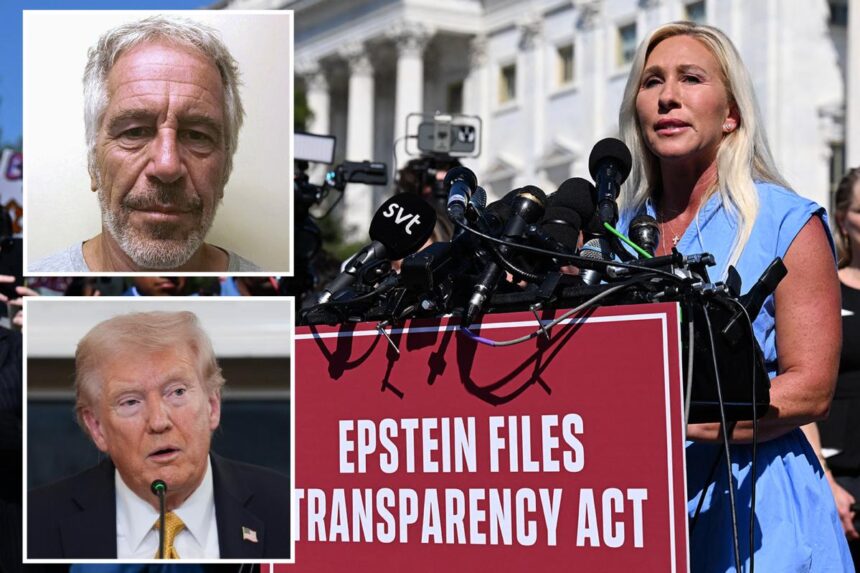
An opinion article by journalist and author Dr. Ramzy Baroud argues that the revelations surrounding convicted financier Jeffrey Epstein have fundamentally reshaped public understanding of power, accountability, and political systems. According to the writer, the extensive documents tied to Epstein’s activities suggest that an influential network of elites may have operated beyond the reach of democratic oversight.
The article begins by referencing British author David Icke, known for promoting controversial theories about hidden rulers of the world. While such ideas have long been dismissed as fringe beliefs, the author notes that conspiracy thinking has gained traction among segments of the public. Surveys have shown that significant portions of Americans believe in alternative explanations for major events, including the assassination of John F. Kennedy and other global issues.
Baroud also points to how discussions once considered marginal have entered mainstream political discourse. Statements by former US President Barack Obama acknowledging unidentified aerial phenomena, along with remarks by President Donald Trump about releasing information on extraterrestrial life, are cited as examples of this shift.
However, the article argues that the most consequential source of public skepticism stems not from speculative topics but from the documented evidence linked to Epstein. The files, reportedly compiled through investigations and survivor testimonies, are described as exposing a network of wealthy and powerful individuals spanning politics, business, and intelligence circles. For those who have long suspected hidden global influence by elite groups, the author suggests these documents appear to validate their concerns.
Baroud characterizes the Epstein case as a turning point for political analysis, comparing it to a “Galileo moment” in which long held assumptions are challenged by new evidence. Traditional theories of international relations such as realism, liberalism, and dependency theory typically assume that governments act primarily in the interests of their citizens or national priorities. The article contends that the Epstein network implies a different dynamic, in which private relationships, shared secrets, and mutual vulnerabilities may shape decisions behind the scenes.
According to this perspective, a transnational elite class operates across borders, often insulated from legal consequences by wealth, mobility, and influence. These individuals, described as “sovereign” in practice, can move assets and activities across jurisdictions in ways inaccessible to ordinary citizens. The author further argues that institutional failures to prevent Epstein’s crimes may indicate systemic weaknesses rather than isolated oversights.
The article concludes that if policymaking is increasingly influenced by opaque global networks rather than democratic processes, then conventional models of governance may be insufficient to explain modern power structures. In this view, the primary divide in today’s world is not simply between rich and poor nations but between highly connected elites and the broader public excluded from these networks.
While distancing himself from literal conspiracy claims, Baroud maintains that the Epstein saga demonstrates the existence of powerful, largely unaccountable actors operating within and sometimes beyond established political systems. He suggests that this reality has eroded public trust in institutions and the liberal international order, raising difficult questions about transparency, justice, and the future of democracy.