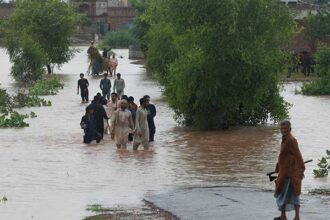

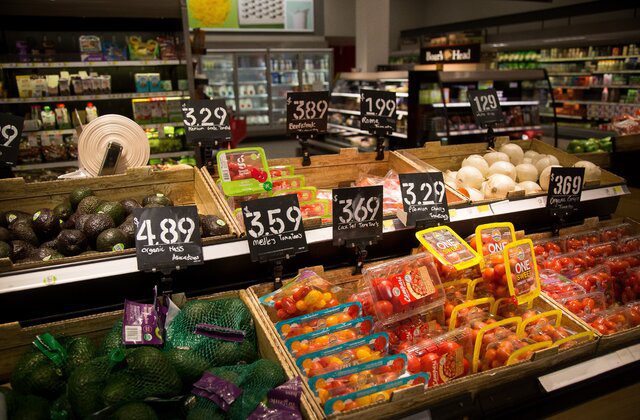
LONDON: A new global study has revealed that extreme weather events linked to climate change have sharply increased food prices around the world between 2022 and 2024, posing serious risks to public health, economies, and political stability.
The study, led by Maximillian Kotz of the Barcelona Supercomputing Center, found that prices of everyday food items from potatoes in the UK to coffee in Brazil jumped dramatically due to extreme heat, droughts, and heavy rainfall, surpassing anything seen before 2020.
The researchers examined 16 short-term food price surges across 18 countries, showing how climate-driven weather extremes directly impacted the cost of food. For example:
- In South Korea, cabbage prices rose 70% after a heatwave in August 2024.
- Olive oil prices in Europe spiked by 50% in January 2024 after two years of drought in Italy and Spain.
- A severe drought in Mexico caused sharp increases in fruit and vegetable prices.
- In Japan, rice prices surged 48% after a record-breaking heatwave in September 2024.
- A heatwave in Ghana and Ivory Coast responsible for 60% of the world’s cocoa led to a 280% rise in global cocoa prices in April 2024.
The report also warns that these rising prices hit low-income families the hardest, often forcing them to buy cheaper, unhealthy food. This can lead to malnutrition, heart disease, and Type 2 diabetes, creating long-term public health problems.
Beyond personal health, the study highlights that climate related food price inflation could worsen global inflation, stir political unrest, and destabilize economies.
“Until we reach net-zero emissions, extreme weather will keep getting worse. It’s already damaging crops and pushing up food costs worldwide,” said Kotz, who also works with the Potsdam Institute for Climate Impact Research in Germany. He added that rising food prices are now the second most visible climate impact people notice in their daily lives right after extreme heat.
Experts like Professor Tim Benton from the University of Leeds, who was not involved in the study, supported the findings, saying that climate change, along with global trade tensions and conflicts, is creating a more volatile world, leading to a long-term cost-of-living crisis.
This research comes just before the UN Food Systems Summit Stocktake in Addis Ababa, Ethiopia, where world leaders will meet on Sunday to discuss the growing threats to the global food system.