

According to the World Health Organization (WHO), if people avoid dangerous factors such as tobacco use, alcohol consumption, air pollution, and certain infections, then about four out of every 10 cancer cases could be prevented.
A recent study published in the scientific journal Nature Medicine states that in 2022, 38 percent, or 7.1 million, of new cancer cases worldwide were linked to causes that were preventable.
Experts from the International Agency for Research on Cancer (IARC), a subsidiary body of WHO, were also involved in this research.
Researchers examined 30 different risk factors that increase the likelihood of cancer. According to the study, tobacco is the biggest cause of cancer, responsible for 15 percent of all new cancer cases.
The second biggest cause of cancer was cancer causing infections, which accounted for 10 percent of cases, while alcohol consumption was responsible for 3 percent of cancer cases.
Other risk factors included obesity, lack of physical activity, ultraviolet radiation, and exposure to harmful substances in workplaces.
The lead author of the study and head of cancer control at WHO, Andre Ilbawi, said that this is the first global study that clearly shows how much of the cancer burden is linked to preventable causes.
According to the research, about half of all preventable cancer cases were related to lung, stomach, or cervical cancer.
Lung cancer was mostly associated with smoking and air pollution, while stomach cancer was largely linked to the bacteria Helicobacter pylori.
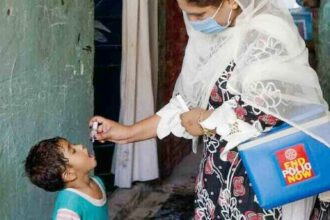
Most cervical cancer cases were caused by the human papillomavirus (HPV), against which vaccines have proven effective.
The data shows that preventable cancer cases were much higher among men than women, with 45 percent of new cases in men and 30 percent in women being preventable. About one fourth of preventable cancer cases in men were linked to smoking, compared to 11 percent in women.
WHO researchers have urged all countries to enforce strict tobacco control, regulate alcohol consumption, promote vaccination against common infections such as HPV, improve air quality, ensure safe workplaces, and encourage healthy diet and exercise.