Every August 14, Pakistan’s Independence Day celebrations bring back a familiar collection of patriotic songs. Some belong to the earliest years of the country, while others are tied to school performances, cricket matches, family gatherings and annual Independence Day playlists.
Over nearly eight decades, Pakistan’s patriotic music has evolved from traditional milli naghmas and classical compositions to pop, rock and modern productions. Yet the emotions behind these songs — pride, belonging, hope and love for the country — have remained largely unchanged.
Among the earliest patriotic songs associated with Pakistan is Millat Ka Pasban Hai Muhammad Ali Jinnah, written by Mian Bashir Ahmed and performed by Munawwar Sultana and Qadir Faridi on Radio Pakistan Lahore in August 1947.
At a time when Pakistan was only days old, such songs helped establish an early musical identity for the new nation. With radio serving as the country’s main mass medium, patriotic broadcasts quickly became an important part of national life.
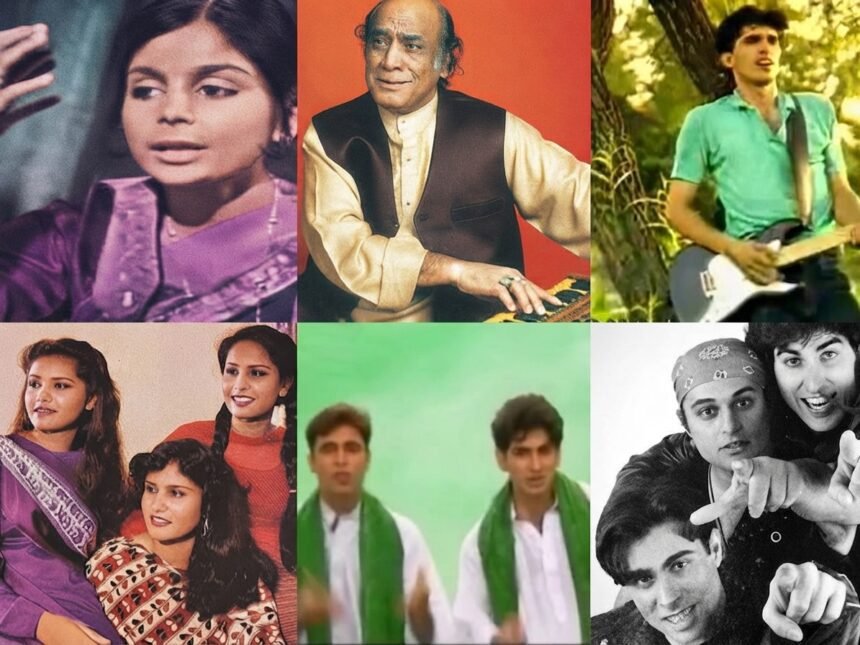
The 1970s produced several songs that would become permanent fixtures of Pakistan’s patriotic music tradition. Sohni Dharti Allah Rakhe, associated with Shahnaz Begum, was written by Masroor Anwar and composed by Sohail Rana. Rather than relying only on grand patriotic declarations, the song celebrated the beauty and character of Pakistan, helping it remain popular across generations.
Another memorable song from the era was Hum Zinda Qom Hain, famously performed by the Benjamin Sisters. Its focus on national resilience and collective identity made it a popular choice for school functions, television programmes and Independence Day events.
In 1974, Jeevay Jeevay Pakistan, sung by Shahnaz Begum and written by Jamiluddin Aali with music by Sohail Rana, added another enduring title to the national soundtrack. For many Pakistanis, the song became closely associated with childhood memories of August 14 celebrations and remained popular across television and community events.
During the 1980s, Yeh Watan Tumhara Hai offered a more reflective take on patriotism. Mehdi Hassan’s rendition gave the song emotional depth, while its message carried a strong sense of responsibility towards the homeland and its people.
A major change came in 1987 with the release of Vital Signs’ Dil Dil Pakistan, sung by Junaid Jamshed. The song introduced a younger and more contemporary sound to patriotic music and demonstrated that a national song could also become a pop culture phenomenon.
Written by Nisar Nasik and developed for Vital Signs by Shoaib Mansoor, Dil Dil Pakistan became one of the most recognisable songs in the country and is widely regarded as an unofficial second national anthem.
The 1990s brought another generation of patriotic pop music. Ae Jawan by Awaz reflected the growing influence of Pakistani pop and connected directly with younger audiences. Patriotic music was no longer limited to traditional performers or state television and had become a significant part of the country’s expanding popular music scene.
In 1996, Junoon added a rock dimension to patriotic expression with Jazba-e-Junoon, released on the band’s album Inquilaab. The song became especially popular among young audiences and its association with cricket and major sporting occasions helped secure its place in Pakistani popular culture.
Haroon carried the patriotic pop tradition into the new millennium with Dil Se Maine Dekha Pakistan in 2003. The song focused on people, places and personal memories rather than relying solely on conventional patriotic slogans, giving it a warmer and more intimate character. Haroon later recreated the song in 2017 for Independence Day, introducing it to another generation.
The same year also saw the release of Kabhi Parcham Mein Lipte Hain, performed by Atif Aslam. The song took a more solemn approach to patriotism, highlighting the sacrifices of soldiers, their families and the meaning of the national flag.
Pakistan’s patriotic music has therefore evolved alongside the country itself. From the early days of national radio to television, pop, rock and contemporary productions, each generation has added its own voice to the Independence Day soundtrack.
Together, these songs form a musical timeline stretching from 1947 to the present. Their lasting popularity reflects not only changing musical tastes but also the enduring emotional connection Pakistanis have with their country every August.