
High cholesterol is a silent enemy of the heart, a highly dangerous yet quiet medical condition that can develop in the body for years without any clear symptoms.
According to experts, most people remain unaware of it until it affects the heart, brain or other vital organs.
Cholesterol is a fat like substance found in the blood. It is obtained from two sources.
First, it is produced by the liver itself, and second, it is obtained through diet, especially from meat, fish, eggs and dairy products.
There are two types of cholesterol, good and bad:
Good cholesterol HDL helps remove excess cholesterol from the blood. Bad cholesterol LDL can stick to the walls of blood vessels and narrow them.
Cholesterol is also necessary for the body as it helps in the production of hormones, strengthens cell membranes and assists in making vitamin D. However, when its level rises beyond the limit, it can become life threatening.
Why is it called a silent killer?
According to medical experts, high cholesterol usually does not cause immediate symptoms such as pain, fatigue or weakness. This is why it is referred to as a silent disease.
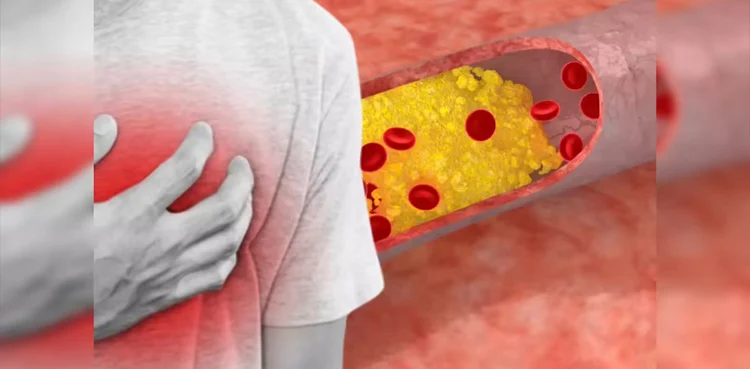
When the level of LDL cholesterol in the blood increases, it accumulates in the walls of arteries and forms a hard layer known as atherosclerosis. As a result, the arteries become narrow and stiff.
If blood flow is severely affected, various symptoms may appear such as chest pain, difficulty breathing, pain in the legs, risk of heart attack or stroke. Health experts say waiting for symptoms to appear can be dangerous.
However, doctors advise that individuals suffering from certain diseases should undergo a lipid profile test every year or once every six months.
Those who should undergo a lipid profile test include diabetes patients, individuals affected by high blood pressure and obesity, and smokers. Some patients are advised to have the test every six months, while others at least once a year.
How can high cholesterol be prevented?
1-Balanced diet:
Reduce the consumption of high fat dairy products and red meat. Eat fiber rich foods such as oats, lentils and apples. Include omega three fatty acids in the diet.
2-Caution in egg consumption:
Egg white is an excellent source of protein and contains no fat, however excessive use of egg yolk should be limited.
3-Brisk walking:
At least 30 minutes of brisk walking daily helps increase the level of good cholesterol.
4-Regular exercise:
At least 150 minutes of moderate exercise per week helps keep cholesterol under control.
5-Regular testing:
Since high cholesterol has no clear symptoms, regular blood testing is the only effective way to diagnose it.