
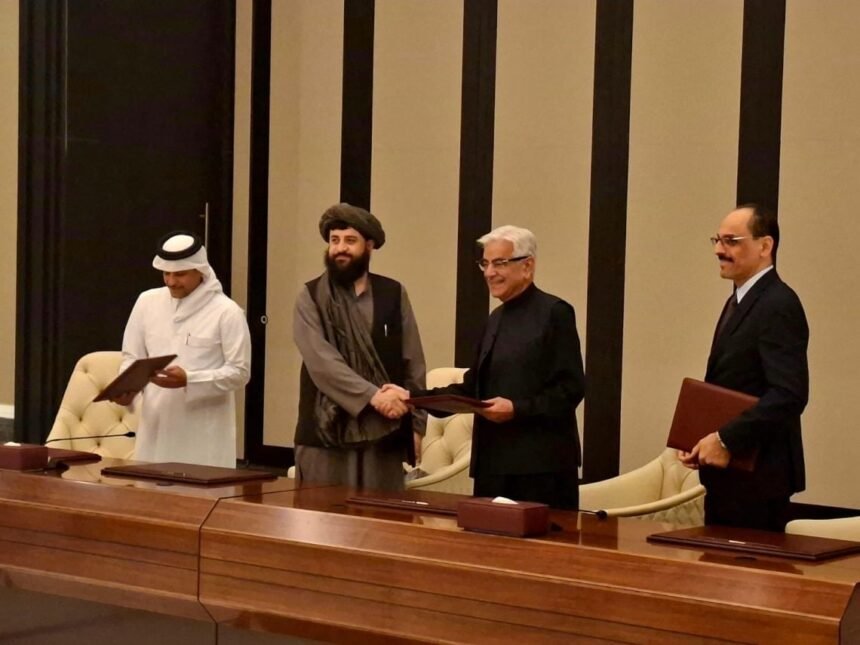
Pakistan is cautiously hopeful after a temporary ceasefire was reached with Afghanistan’s Taliban government following deadly border clashes. The agreement, brokered in Doha by Qatar and Turkey, came after defence officials and intelligence chiefs from both sides met amid high scepticism. The next round of talks, scheduled for October 25 in Istanbul, will be a key test of whether both parties are serious about peace.
A senior Pakistani official described the ceasefire as a “positive step forward” but warned that trust is still fragile. He said there are “encouraging signs,” yet only time will prove if the agreement can survive beyond the initial phase.
According to the official, the deal has already created unrest within the banned Tehreek-e-Taliban Pakistan (TTP). Reports suggest panic among militants, fearing the loss of safe havens and logistical support inside Afghanistan after the Taliban’s commitments to Islamabad.
Despite the cautious optimism, Pakistani officials remain wary. “We have been down this road before,” the official remarked, saying the Afghan Taliban have previously failed to honour similar understandings. For this reason, Pakistan is keeping expectations low while applying pressure through diplomacy and security measures.
Islamabad plans to closely observe whether Kabul acts against TTP hideouts and controls militant movement along the border. The Doha talks were the first formal engagement between the two neighbours since tensions spiked earlier this year.
The agreement aims to set up systems for better border control, security coordination, and intelligence sharing. Although both countries publicly promise “mutual respect and peaceful coexistence,” many in Pakistan remain unsure about the Afghan Taliban’s willingness to act against groups targeting Pakistan.
“We are hopeful, but not naive,” the official added. “The coming weeks will show if this is real cooperation or just a temporary pause.”