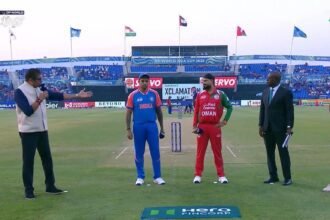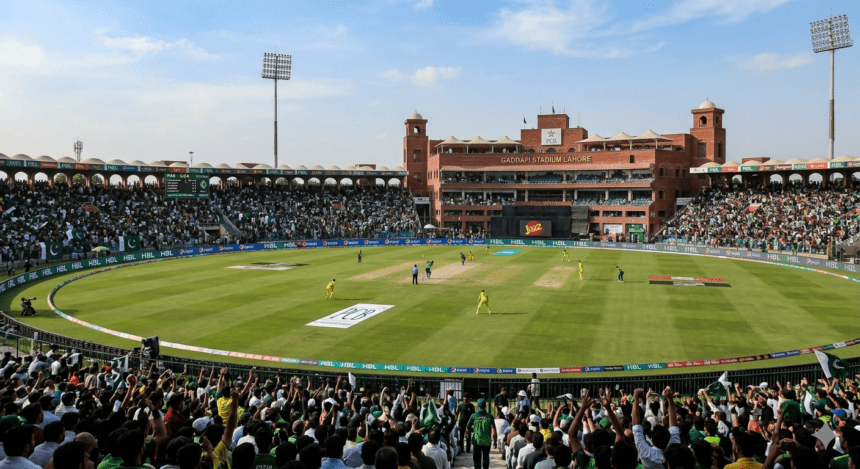
The International Cricket Council has officially handed down an ‘unsatisfactory’ rating to Lahore’s Gaddafi Stadium, following a sluggish pitch that stifled the recent ODI between Pakistan and Australia. Match referee Andy Pycroft’s assessment, confirmed by the sport’s governing body this week, highlights a growing concern over surface preparation in high-stakes international fixtures.
The pitch, which stayed uncharacteristically low and slow throughout the match, drew immediate criticism from players and pundits alike. Batsmen struggled to time the ball, while bowlers found almost no assistance from the surface, turning a contest that promised high-scoring entertainment into a test of patience.
The rating isn’t just a stain on the venue’s reputation—it carries consequences. Under the ICC’s pitch and outfield monitoring process, a venue that receives an ‘unsatisfactory’ mark is issued one demerit point. If a stadium accumulates five demerit points within a five-year period, it faces a 12-month suspension from hosting international cricket.
PCB curators in Lahore have been under pressure to produce surfaces that offer a balance between bat and ball. The Gaddafi Stadium, a historic hub for Pakistan cricket, has frequently been criticized for producing flat, unresponsive tracks that frustrate spectators and limit the potential for aggressive play.
“The wicket simply didn’t offer a fair contest,” a source close to the match officials noted, pointing to the lack of carry and bounce that defined the day’s play.
For the Pakistan Cricket Board, this rating serves as a wake-up call. With international teams returning to Pakistan regularly, the quality of infrastructure—specifically the soil and grass preparation—has become a non-negotiable metric for the ICC.
The PCB now faces the task of overhauling its pitch management strategy in Lahore. Unless the curators can demonstrate a shift toward more sporting surfaces, the stadium risks further scrutiny—and potentially, the loss of its hosting privileges for future marquee events.