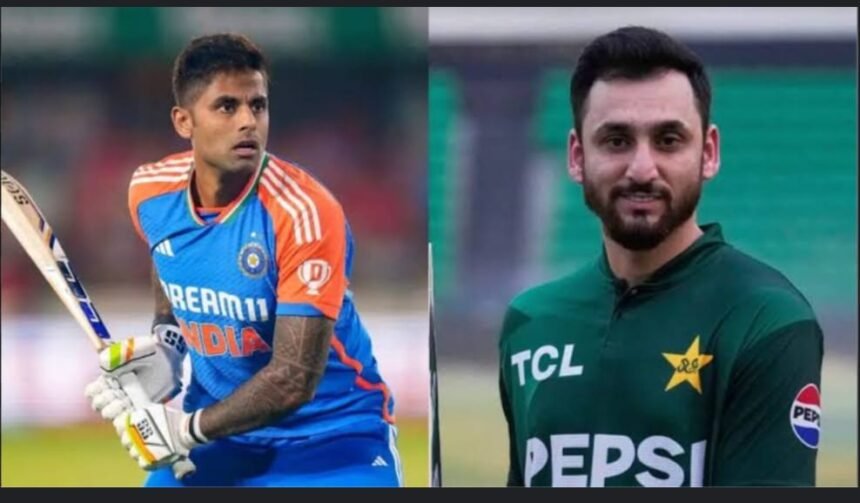
The Board of Control for Cricket in India (BCCI) has moved to clear the air over India’s upcoming clash with Pakistan in the Asia Cup 2025, stressing that the decision to play is entirely in line with the central government’s policy on international sporting events.
The high-voltage fixture is scheduled for September 14 in Dubai, marking yet another chapter in cricket’s most heated rivalry. In recent weeks, however, political voices and sections of the public questioned why India was set to face Pakistan at a time when relations between the two countries remain strained.
Speaking on the matter, BCCI secretary Devajit Saikia explained that India is obliged to participate in multinational tournaments like the Asia Cup, even when unfriendly nations are involved.
> “There is no restriction from the government when it comes to competing in events that feature multiple nations. The rule is simple—we must play,” Saikia said.
Bilateral Series Still Off-Limits
While India and Pakistan continue to meet at ICC and ACC tournaments, Saikia reiterated that bilateral cricket remains off the table. “We haven’t played a Test or limited-overs series against them since 2012–13. That policy hasn’t changed,” he clarified.
Risks of Boycotts
The BCCI official also warned that refusing to play in multinational competitions could have serious consequences. If India were to pull out of matches against certain countries, it could face sanctions from global sporting bodies, not just in cricket but across other disciplines too.
> “Boycotts can end up hurting our own athletes. Sanctions are real, and we can’t afford that,” Saikia pointed out.
The Bigger Picture
This isn’t the first time India’s participation in matches against Pakistan has sparked debate. Similar controversies arose before the 2019 World Cup in England and the 2021 T20 World Cup in the UAE, but in each case India took the field, citing the same government guidelines.
As things stand, fans can expect the Dubai showdown to go ahead as planned. For cricket lovers, the rivalry remains unmatched; for the BCCI, the stance is straightforward—play when the rules demand it, avoid bilateral ties otherwise.