

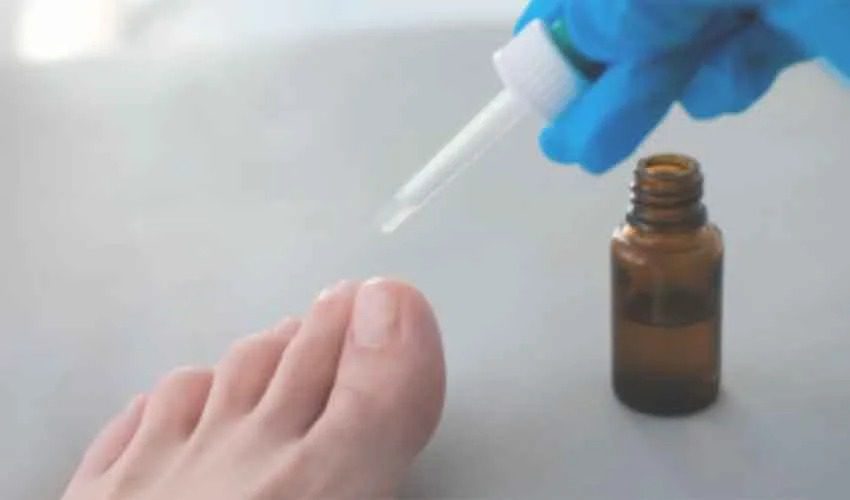
Maintaining personal hygiene includes proper nail care, but even regular manicures and pedicures may not be enough to address nail infections once they occur.
In a recent study, scientists have discovered a potential breakthrough in treating one of the most common causes of brittle nails: fungal infections.
Researchers have found that hydrogen sulfide (H₂S), a naturally occurring gas known for its strong ‘rotten egg’ odor, may offer a faster and more effective approach to treating stubborn nail infections.
The gas penetrates nails more efficiently than conventional drugs, disrupting the energy systems of pathogens and proving effective even against fungi that resist standard antifungal treatments.
Nail infections, often caused by fungi, yeast, or mold, can result in thickened, discolored, brittle, or misshaped nails. These conditions affect an estimated 4-10% of the global population, with rates increasing to nearly 50% among adults over 70.
While oral antifungal medications are generally effective, they require months to work and carry risks of side effects. Topical treatments are safer but often take years and may fail to fully eradicate infections.
A key challenge in treatment is the nail’s dense structure, which limits drug penetration and prevents medications from reaching the microbes beneath. Researchers at the University of Bath and King’s College London observed that even the most advanced topical options achieve relatively low cure rates.
Dr Albert Bolhuis from the University of Bath said, “Hydrogen sulfide’s ability to efficiently reach the infection site and its unique mode of action suggest it could become a highly effective topical treatment for nail infections, avoiding many limitations of current therapies.”
He added, “Our findings could pave the way for faster, safer, and more reliable treatments for persistent and drug-resistant fungal nail infections.”