
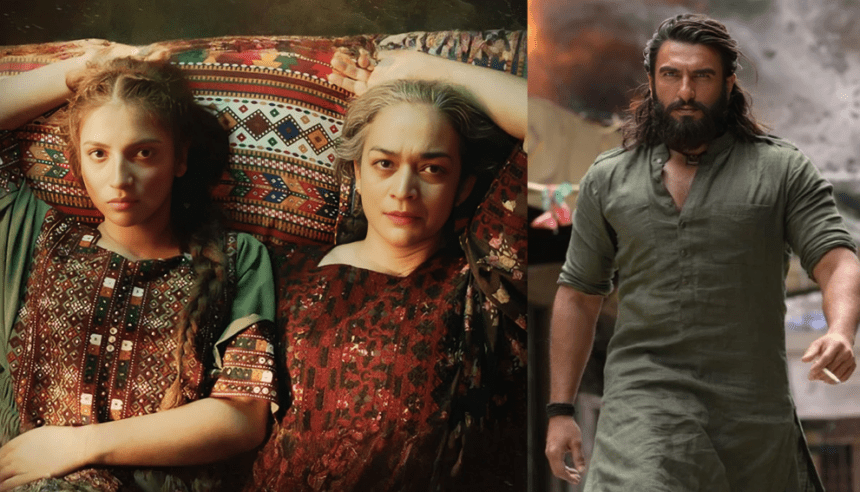
Residents and community voices from Lyari have pushed back strongly against what they call the unfair and damaging portrayal of the historic Karachi neighbourhood in the recently released Indian film Dhurandhar. Through the slogan “Mera Lyari,” locals are reclaiming their narrative, rejecting stereotypes that link the area solely with crime and violence.
Following the film’s release, criticism erupted on social media, with Lyari residents accusing the makers of recycling outdated tropes while ignoring the area’s cultural depth, sporting legacy and social resilience. Activists, artists and youth groups argued that Dhurandhar reinforces a one-sided image that fails to reflect Lyari’s real identity.
Lyari, often described as the heart of Karachi, is known for producing national football heroes, boxers, musicians and political voices. Community members say these contributions are consistently overlooked whenever mainstream cinema chooses to depict the locality only through a lens of lawlessness.
In response, digital campaigns under the banner “Mera Lyari” began trending, sharing real stories, archival photos and achievements linked to the area. Many posts highlighted Lyari’s role in shaping Karachi’s cultural fabric, calling for responsible storytelling that separates fiction from lived reality.
Local voices stressed that cinema carries influence beyond entertainment and warned that careless portrayals can deepen stigma for entire communities. They urged filmmakers to engage with residents before turning real neighbourhoods into dramatic backdrops.
As the debate continues, “Mera Lyari” has become more than a slogan — it has emerged as a statement of ownership, dignity and resistance, reminding audiences that Lyari’s story is far richer than the image projected on screen.