

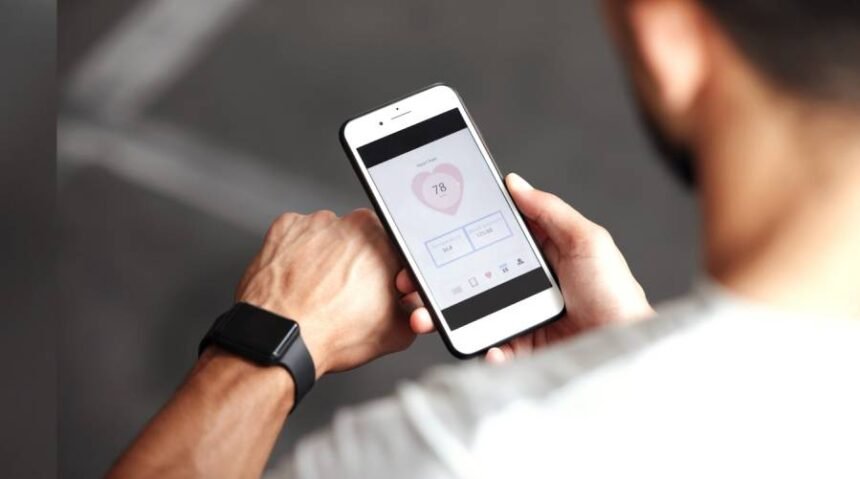
Are you really safe using health apps? Experts reveal hidden risks and smart ways to protect your data
From tracking your steps and sleep to getting therapy or fertility tips — there’s a health app for everything. But have you ever stopped to ask yourself how safe these apps really are? Behind their sleek designs and wellness promises, some may be quietly collecting your personal health data, sharing it with advertisers, or even giving unverified medical advice. Before you tap “Download,” here’s what experts say you need to know about which apps to trust — and which to avoid.
Understanding the rise of digital health tools
From step counters to fertility trackers, millions of people use health apps daily. But not all apps are created equal. Some are general wellness tools, while others function more like medical devices. That distinction matters — especially when it comes to accuracy, regulation, and how your data is handled.
How to identify a trustworthy health app
Experts recommend a few key steps before downloading or using any health app:
- Check the source: Reputable apps are often developed by universities, hospitals, or recognized health organizations.
- Look for transparency: Reliable apps disclose their developers, partnerships, and data-sharing policies.
- Review medical credibility: Trust apps that cite peer-reviewed research or established clinical guidelines.
- Verify professional oversight: Licensed healthcare providers should be involved in creating or approving medical content.
- Apps created solely by companies selling a product, or by developers with unclear credentials, deserve caution.
The hidden risks: unverified claims and weak privacy
Many apps make bold promises — to diagnose, treat, or cure conditions — but lack scientific validation. Others quietly collect excessive personal data, including location, biometric readings, and behavior patterns, which can be shared or sold to advertisers.
Experts advise checking permissions before installing any app. If a meditation app wants access to your microphone, camera, and contacts, that’s a red flag.
Regulation and accountability: what most users don’t know
Only a small number of health apps fall under the US Food and Drug Administration (FDA) regulation. These are apps that function as medical devices — such as digital ECG readers or insulin calculators. Most wellness and tracking apps, however, are not FDA-approved and operate outside formal oversight.
Similarly, HIPAA, the federal law protecting patient health information, usually doesn’t apply to consumer apps. Unless an app is linked to a covered healthcare entity (like a hospital or insurer), your privacy is governed only by the app’s internal policy — which may not be legally enforceable.
Protecting your data and your health
Before sharing sensitive health details, users should:
- Review the privacy policy carefully.
- Limit app permissions to essential features only.
- Enable password or biometric protection and two-factor authentication.
- Delete apps that haven’t been updated in months, as they may have unresolved security vulnerabilities.
- Check online for any history of data breaches before signing up.
You can also search databases like ORCHA (Organization for the Review of Care and Health Apps) or the NHS Apps Library, which review apps for safety, quality, and usability.
The bottom line
Health apps can empower people to take charge of their well-being — but blind trust can be risky. Always verify the source, question medical claims, and understand how your personal data is handled.
Choosing carefully doesn’t just protect your privacy — it ensures that your health journey is guided by credible, secure, and science-backed tools.