

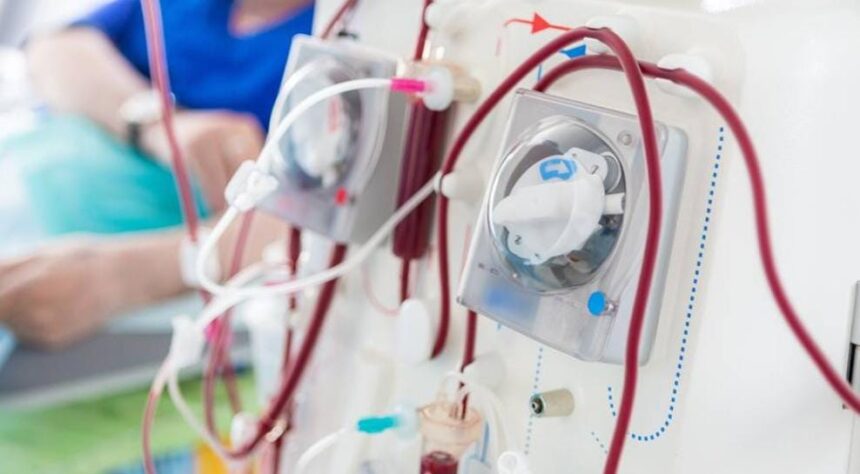
New study finds that selective dialysis weaning may help patients with acute kidney injury recover kidney function
A growing number of Americans are starting dialysis, but new research shows that many patients with acute kidney injury (AKI) may be safely weaned off dialysis while still hospitalized, potentially avoiding lifelong treatment. The study, led by UC San Francisco, highlights a major shift in understanding how kidney recovery can be optimized and why excessive dialysis may sometimes hinder healing.
A closer look at dialysis and kidney recovery
Dialysis is essential for patients whose kidneys cannot remove waste or maintain fluid balance. However, the new findings suggest that for patients with AKI, too much dialysis may paradoxically slow recovery. The process can lower blood pressure and reduce renal blood flow, leading to additional injury.
According to senior author Chi-yuan Hsu, MD, hospitalized patients are closely monitored by nephrologists, but once they are transferred to outpatient dialysis centers, their follow-up becomes less frequent.
He explained, “Patients with AKI go from seeing a nephrologist daily to only once a week or even once a month. Stopping dialysis can be risky, so physicians often continue treatment unless improvement is obvious.”
AKI referrals rising across outpatient dialysis centers
Although many patients on dialysis have irreversible end-stage kidney disease caused by chronic conditions like diabetes or hypertension, up to 1 in 4 new dialysis referrals involve AKI, often triggered by sepsis, heart failure, trauma, or surgical complications.
Half of all AKI patients do not survive hospitalization, but for survivors, temporary dialysis—not permanent dependence—is the goal.
Study results: Minimal dialysis improves chances of recovery
The randomized clinical trial included 220 hospitalized patients with an average age of 56.
- One group received dialysis three times per week until recovery was clearly proven.
- The second group received dialysis only when absolutely necessary, based on careful hospital monitoring.
The findings were significant:
- 64% of patients in the minimal-dialysis group recovered kidney function before discharge,
compared to 50% in the standard-dialysis group. - Importantly, no increase in adverse outcomes was reported in the low-dialysis group.
First author Kathleen Liu, MD, PhD, noted that outpatient centers currently lack the infrastructure—such as daily lab review and vital sign monitoring—needed to support this style of weaning. She emphasized the need for larger studies to validate the results and establish safe outpatient protocols.
What these findings mean for patient care
This research underscores:
- the potential value of individualized and conservative dialysis strategies for AKI;
- the importance of specialist-supervised care during weaning;
- the need for better monitoring systems in outpatient facilities;
- the opportunity to prevent lifelong dialysis dependence in select patients.
By identifying when the kidneys can safely support themselves, clinicians may be able to reduce the long-term burden of dialysis for thousands of patients each year.