
Infectious disease experts at Aga Khan Hospital have warned that, for the first time in Pakistan, cases of mpox are emerging in newborn babies. They said the main reason is poor hygiene and inadequate isolation arrangements in hospitals, which allow germs to easily spread from one patient to another. They added that mpox is no longer limited to people arriving from abroad, and the risk of its spread within the country is increasing.
Pediatric and infectious disease specialist Dr. Fatima Mir said during a media roundtable at Aga Khan University that cases have been reported from Khairpur in Sindh, where children showed symptoms such as fever, weakness, and fluid-filled rashes, while some deaths have also been reported. Mpox was previously mostly seen in adults, but its appearance in children indicates a serious situation.
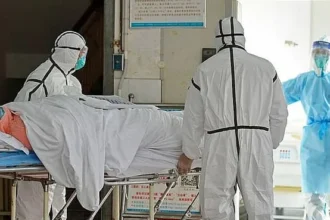
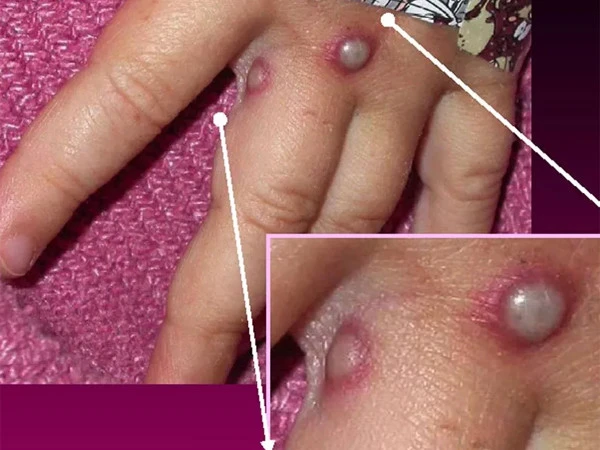
She said that one major reason for the spread of infection among newborns could be cross-infection in hospitals, where proper hygiene and effective isolation measures are not ensured. Early symptoms include fever, lethargy, and weakness, followed by large and painful rashes on the body, which usually resolve on their own within two to four weeks.
She advised that as soon as symptoms appear, the patient should be immediately isolated and relevant authorities should be informed. At home, the affected person should also be kept separate, especially if there are individuals with weak immunity or chronic illnesses.
On this occasion, infectious disease expert Dr. Faisal Mahmood said that mpox is no longer limited to individuals coming from abroad, and the risk of its spread within the country is increasing. In Pakistan, 53 confirmed mpox cases were reported during 2025, most of which were linked to international travel. However, in 2026, this trend appears to be changing. Of the two confirmed cases reported in Karachi this year, one is locally transmitted from Khairpur.
Dr. Faisal Mahmood expressed concern over poor infection control in hospitals, stating that in some places two patients are placed on the same bed or new patients are admitted without proper cleaning, which is extremely dangerous and contributes to the spread of diseases. The symptoms of mpox are similar to chickenpox; however, the rashes appear at the same stage, are of the same age, and are more painful.
The disease spreads through close physical contact, contaminated clothing or bedding, and can also be transmitted through respiratory droplets during prolonged close contact. Although most healthy individuals recover within two to four weeks, the disease can be more severe in newborns, pregnant women, and people with weakened immune systems.
Dr. Faisal Mahmood said that a specific treatment for mpox is currently not available in Pakistan, and patients are treated based on their symptoms.
He emphasized that simple preventive measures such as gloves, masks, hygiene, and effective infection control systems can help prevent the spread of the disease.