
Islamabad – June 22, 2025:
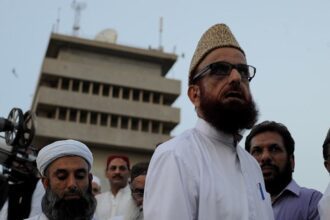
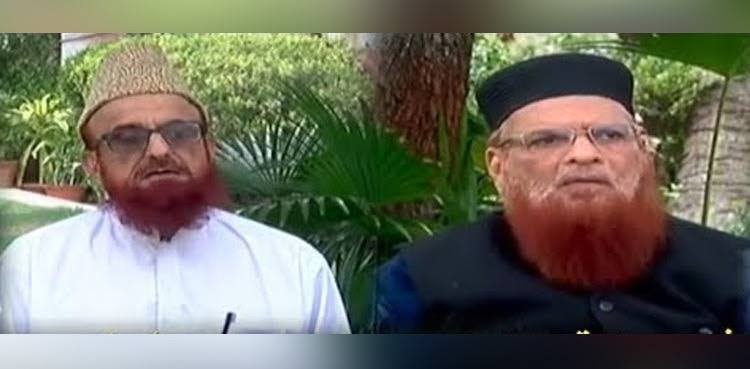
A day after Pakistan announced its intention to nominate former U.S. President Donald Trump for the 2026 Nobel Peace Prize, two of the country’s most prominent Islamic scholars—Mufti Muhammad Taqi Usmani and Mufti Munib ur Rehman—have leveled sharp criticism at both Washington’s military actions in Iran and Islamabad’s
controversial nomination.
Condemnation of U.S. Strikes on IranIn strong statements earlier today, both scholars denounced the U.S. airstrikes on Iran’s nuclear sites—Fordow, Natanz, and Esfahan—as violations of international law. Pakistan’s Foreign Office echoed these concerns, saying the strikes “gravely concern” Islamabad and risk escalating regional tensions .
Mufti Taqi Usmani went further, questioning Pakistan’s foreign policy decisions:
“The U.S. attack on Iran is not only deeply condemnable but also a blatant breach [of international norms],” he stated, urging Islamabad to stand firmer in defense of Muslim interests .
Criticism of Trump Nomination
Last Saturday, Pakistan announced it would formally recommend Donald Trump for the Nobel Peace Prize, citing his role in de-escalating a recent India-Pakistan border crisis . The move followed a White House lunch between Trump and Pakistan’s army chief, Field Marshal Asim Munir .
However, Mufti Usmani condemned the decision as misguided, questioning how a figure linked to military escalation in the Middle East could be put forward for a peace prize. Independent analysts highlighted that Islamabad’s nomination appeared timed to influence Trump amid broader regional tensions .
Similarly, Mufti Munib ur Rehman criticized Prime Minister Shehbaz Sharif’s foreign policy approach, labeling the nomination a misstep that risks tarnishing Pakistan’s moral standing. While neither scholar explicitly branded Trump a warmonger, both underscored the incongruity of endorsing a leader facing widespread international controversy.
Analysts and human rights activists echoed the muftis’ concerns, noting the tension between praising Trump’s diplomatic role in South Asia and nominating him amid ongoing U.S. strikes in West Asia . Within Pakistan, political commentators and former UN Ambassador Maleeha Lodhi have criticized the nomination as politically motivated, undermining credibility by endorsing someone who publicly supported Israel’s operations in Gaza and challenged international norms .
U.S. Strikes on Iran: On June 22, U.S. forces bombed Iranian nuclear sites at Fordow, Natanz, and Esfahan, triggering regional alarm over potential retaliation and broader conflict .
Pakistan’s Nobel Nomination: The move, publicly announced June 21, cited Trump’s role in brokering a ceasefire after a four-day India-Pakistan skirmish .
These dual actions—condemning U.S. strikes while praising Trump—underscore a complex and diplomatically delicate moment for Islamabad. Mufti Usmani and Mufti Munib’s rebukes signal an emerging rift between Pakistan’s religious leadership and official foreign policy narrative.