

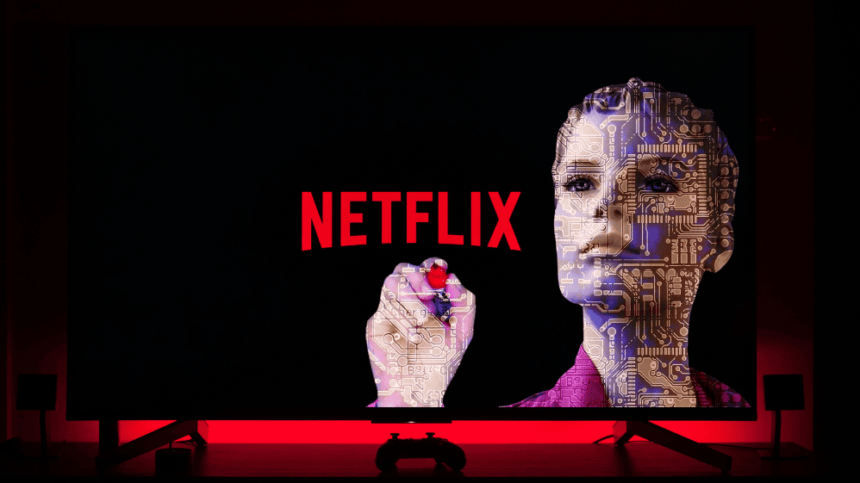
Netflix has officially gone “all in” on generative AI, signaling a major step toward integrating artificial intelligence into the entertainment industry — even as debates continue over its ethical and creative implications.
In its latest quarterly earnings report, Netflix announced that it is “very well positioned to effectively leverage ongoing advances in AI.” According to CEO Ted Sarandos, the company views AI as a creative tool, not a replacement for human talent.
> “AI can give creatives better tools to enhance storytelling, but it doesn’t automatically make you a great artist,” Sarandos said during the earnings call.
Netflix has already begun using AI in production. In its Argentine series “The Eternaut,” generative AI was used to design a collapsing building scene. Similarly, “Happy Gilmore 2” employed AI to digitally de-age characters, while “Billionaires’ Bunker” used it in pre-production to visualize wardrobe and set design.
Sarandos emphasized that Netflix’s approach isn’t about following trends but improving the creative process. “We’re confident AI will help us and our partners tell stories better, faster, and in new ways,” he said.
However, AI’s growing presence in Hollywood has caused concern among artists and unions. Many fear that AI models — often trained on existing creative work without consent — could threaten creative jobs.
The controversy deepened after OpenAI released Sora 2, a powerful new video and audio generator that lacks restrictions against recreating real actors or public figures. Hollywood unions, including SAG-AFTRA, and actors like Bryan Cranston have urged the company to implement stricter safeguards against deepfakes.
When asked about Sora’s potential impact, Sarandos acknowledged that the technology might affect content creators but dismissed fears of AI replacing creativity.
Netflix reported a 17% year-over-year revenue increase, reaching $11.5 billion, though the figure fell slightly below company projections.
With its continued investment in AI, Netflix appears determined to stay at the forefront of technological innovation — while the rest of Hollywood continues to weigh the risks and rewards of this digital revolution.