
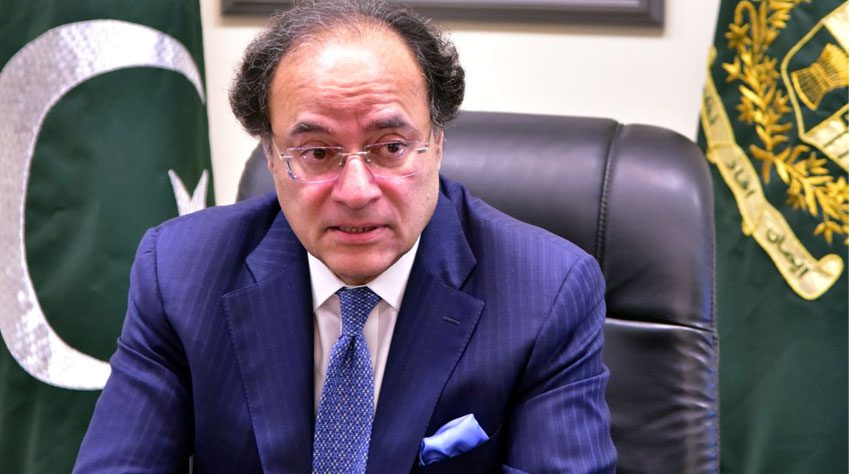
Pakistan’s Finance Minister Muhammad Aurangzeb has described the country’s blue economy as a “gamechanging sector” capable of transforming national growth, as the government sets an ambitious target to expand its value from $1 billion to $100 billion by 2047.
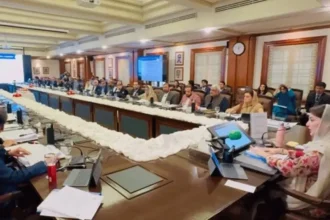
Speaking at a virtual maritime conference on Tuesday, Aurangzeb said the blue economy currently contributes about 0.4% to 0.5% of Pakistan’s GDP, but with the right policies and partnerships, it could become one of the country’s most powerful economic engines.
He outlined that the Ministry of Maritime Affairs is leading a long-term roadmap focused on strengthening fisheries, aquaculture, ports, renewable energy, and marine biotechnology. Pakistan, he said, plans to modernise its ports including Karachi, Port Qasim, and Gwadar by adopting digital systems and international best practices to enhance trade and logistics efficiency.
Aurangzeb noted that seafood exports worth $500 million could grow to $2 billion within the next four years through value-added processing and better cold-chain infrastructure. He said a new national fisheries and aquaculture policy, developed in partnership with the Food and Agriculture Organization (FAO), would ensure policy stability and sustainable growth.
The finance minister also announced upcoming pilot projects in tidal and offshore wind energy, as well as investments in marine biotechnology sectors he called “drivers of innovation and sustainability.” He said the government would use innovative financing tools such as blue bonds and blended funding models to support these initiatives.
Aurangzeb emphasized that Pakistan’s long-term prosperity depends on sustainable trade, investment, and reforms. “This journey towards a $100 billion blue economy by 2047 is not just ambitious it’s transformational for our economic future,” he said, adding that the sector will work alongside digital infrastructure, artificial intelligence, and mining to propel Pakistan’s growth.