

Web desk
In Pakistan, monsoon floods have displaced millions of people, forcing aid organizations to shift their focus from emergency rescues to long-term recovery and rehabilitation.
Thousands of families remain in temporary shelters as floodwaters continue to recede in Sindh, Punjab, and Khyber Pakhtunkhwa.
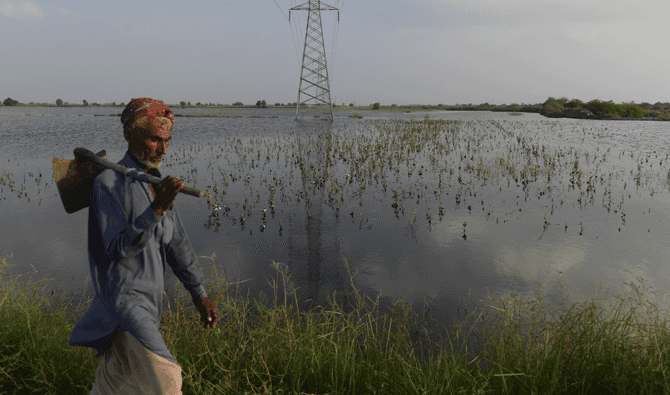
Floods have wiped out crops, damaged homes, and destroyed key infrastructure, including roads, schools, and health centers.
Relief groups are warning of outbreaks of waterborne diseases in overcrowded camps, where clean drinking water and sanitation remain scarce.
Farmers face massive agricultural losses, raising concerns about food shortages and rising prices in the coming months.
The Pakistani government has renewed appeals for international financial and humanitarian assistance.
Pakistan is highly vulnerable to climate-related disasters, with heavy monsoon rains regularly triggering floods.
Experts note that the 2022 floods, which killed more than 1,700 people, already left the country’s infrastructure weakened, making communities more vulnerable this year.
Climate analysts warn that extreme weather patterns are becoming more frequent, placing Pakistan among the world’s most at-risk nations.
Aid agencies are beginning to transition into recovery programs, focusing on rebuilding homes, restoring farmland, and strengthening disaster preparedness.
Health authorities are increasing vaccination and medical outreach in flood-hit areas to prevent epidemics.
Economists caution that repeated flood disasters could undermine fiscal recovery, with billions needed for reconstruction and relief.