A Pakistani delegation of rice exporters has landed in Oman in what officials and industry leaders are describing as a serious push to widen export markets, build new commercial ties and use the Gulf more strategically as a trading corridor rather than just a destination. The visit is being led by the Rice Exporters Association of Pakistan, or REAP, with backing from the Trade Development Authority of Pakistan and the Ministry of Commerce. Recent reporting says the mission is part of a broader effort to diversify away from overreliance on a handful of buyers and deepen access to higher-value markets.
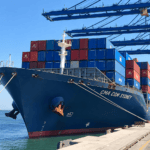
What makes Oman important here isn’t only demand inside the country. Export planners increasingly see Muscat as a workable entry point into the wider GCC, and in some cases onward to African markets, because of its trading links, port access and business connectivity. Pakistani reporting earlier this year also noted that Pakistani rice already enjoys zero import duty across GCC markets, giving exporters a pricing advantage at a time when competition from other Asian suppliers remains intense.
The Oman leg of the visit comes at a moment when Muscat itself is trying to step up business engagement with Pakistan. In late April, Omani and Pakistani companies met in Muscat under an Oman Chamber of Commerce and Industry platform focused on trade, investment, agriculture and food security. Local coverage in Oman said the forum ended with bilateral business meetings aimed at identifying partnerships and expanding trade volumes between the two countries.
For Pakistan’s rice sector, the pitch is straightforward: reliable supply, compliance with food-safety standards and better branding in premium and niche segments. Business Recorder reported that the REAP delegation includes leading exporters and senior office-bearers representing a meaningful share of Pakistan’s rice trade, while TDAP chief Faiz Ahmed Chadhar described the Oman and US mission as part of the authority’s rice marketing strategy for market diversification and deeper penetration into specialized segments.
There’s a bigger story underneath this trip too. Pakistan has been trying to sharpen its export strategy through targeted delegations, exhibitions and market-access work, especially in the Gulf and Africa. That push has gained urgency as exporters chase stronger margins, steadier buyers and routes that can absorb larger volumes without leaving them exposed to one market cycle. Oman, in that sense, is attractive because it offers both a buyer base and a logistics conversation.
The visit also fits into an already active Pakistan-Oman commercial relationship. REAP’s own site shows the association has been discussing rice-export issues with Omani officials and delegates for some time, with both sides expressing interest in resolving trade bottlenecks and lifting bilateral commerce. That doesn’t mean every hurdle disappears overnight, of course. Exporters still have to manage pricing pressure, standards compliance and competition. But the current mission suggests the industry thinks the Gulf, and Oman in particular, is worth pursuing more aggressively.
For now, the outcome to watch is whether these meetings produce something concrete: supply agreements, distributor tie-ups, warehousing or routing arrangements, or repeat orders that turn a diplomatic and commercial visit into sustained trade. Pakistan’s exporters are clearly aiming for more than a photo-op. They want shelf space, contracts and a firmer foothold in Gulf trade lanes.