
PAKISTAN has accused India of breaching the Indus Waters Treaty (IWT) after a sharp decline in water levels in the Chenab River, raising fears of a humanitarian and agricultural crisis. Deputy Prime Minister and Foreign Minister Senator Ishaq Dar said India’s alleged manipulation of river flows threatens Pakistan’s food security and livelihoods.
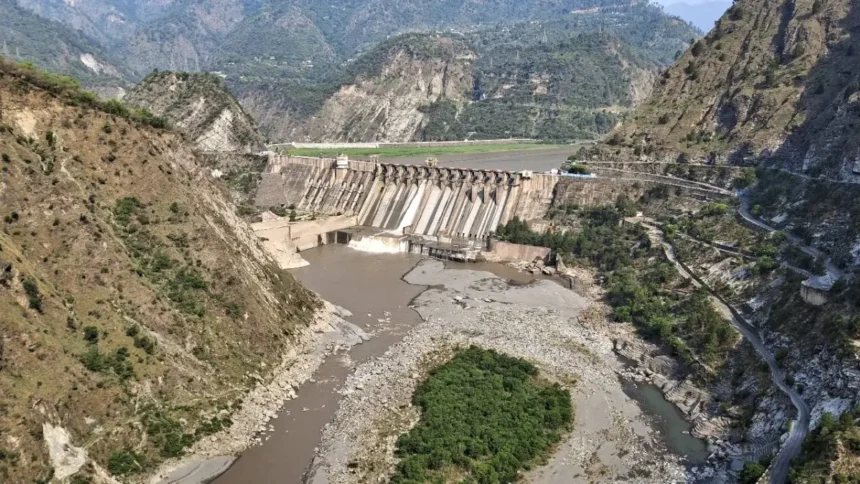
According to Pakistan’s Indus Water Commissioner Mehr Ali Shah, the Chenab’s flow fell dramatically to just 1,800 cusecs on December 16, a steep drop from earlier levels. Shah said Pakistan has formally taken up the issue with Indian authorities, accusing New Delhi of withholding advance hydrological data, a requirement under the treaty.
The warning follows reports that India released a sudden surge of water into the Chenab on December 8, pushing flows up to 58,300 cusecs, only for levels to plunge days later. Pakistani officials described these abrupt changes as dangerous and in violation of agreed rules governing shared rivers.
Foreign Office spokesperson Tahir Hussain Andrabi earlier expressed concern over what he called India’s “continued violations” of the IWT, highlighting the risks posed by unpredictable water releases and shortages.
Meanwhile, data from the Indus River System Authority (IRSA) showed stress across Pakistan’s river system. Total releases from rim stations stood at 75,600 cusecs against an inflow of 37,800 cusecs. At Tarbela Dam, water levels were recorded at 1,486.39 feet, while Mangla Dam stood at 1,202.40 feet, both above dead level but facing heavy outflows. Releases were also reported at Kalabagh, Taunsa, Guddu and Sukkur, while limited discharge entered the Chenab at Marala.
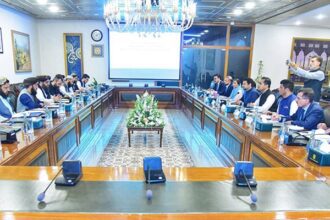
Addressing diplomats, Dar said Pakistan observed “unusual and abrupt” variations in Chenab flows twice this year—between late April and May, and again in December. He warned that such actions during key agricultural periods could damage crops, disrupt lives and deepen food insecurity.
Dar further alleged that India has halted the sharing of hydrological data and weakened joint oversight mechanisms, exposing Pakistan to risks of floods and droughts. He said this conduct violates international law, including the Vienna Convention on the Law of Treaties.
The foreign minister also accused India of undermining the treaty through hydropower projects such as Kishanganga and Ratle, claiming these exceed permitted limits and expand India’s water storage capacity at Pakistan’s expense.
Calling the situation a case of “weaponisation of water,” Dar urged the United Nations and global powers to press India to fully restore treaty obligations. He reiterated Pakistan’s commitment to peaceful dispute resolution but stressed that the country would not compromise on its “existential water rights.”
Pakistan maintains that the Indus Waters Treaty does not allow unilateral suspension and has warned that any attempt to divert or block river flows into the country would be viewed as an act of war.