

9 October, 2025
Web desk
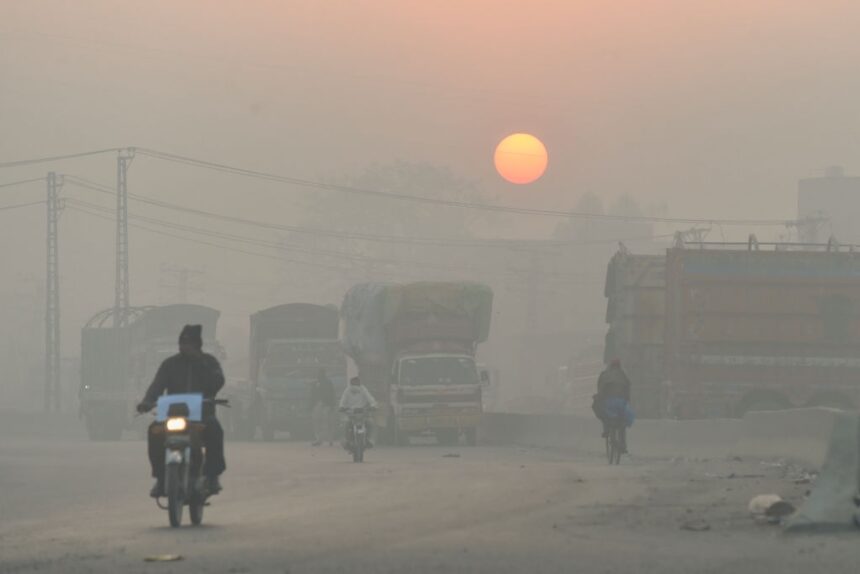
As winter nears, thick smog is once again poised to blanket Pakistan’s major cities, driven by persistent emissions that get trapped under cool inversions. The situation is worsened by vehicular pollution, outdated industrial practices, and rampant crop residue burning a toxic mix that poses acute health risks, especially for children, the elderly, and those with respiratory or heart conditions.
Transport is among the biggest culprits. Many commercial vehicles still run on substandard fuels, and vehicle inspection systems remain lax. Factories, brick kilns, and industrial clusters continue to emit large amounts of pollutants without consistent monitoring or accountability. Meanwhile, farmers burn straw and stubble in the fields during October November, a practice intensifying smog episodes across the Punjab region and affecting cities like Lahore, Multan, and Gujranwala.
But the problem is not without precedent. London’s Clean Air Act in the 1950s and China’s modern air‐quality interventions show that persistent policy, enforcement, and public awareness can reverse severe smog trends. Pakistan needs a similar blueprint: stricter fuel and emission standards, real-time emission monitoring, gradual retirement of polluting vehicles, and robust enforcement against open burning.
In the face of worsening air quality trends, the government must act decisively now: enforce existing laws, incentivize cleaner technologies, curb illegal emissions, and work with communities to shift agricultural practices. The blueprint is clear what remains is political will.