November 12, 2025
Web desk
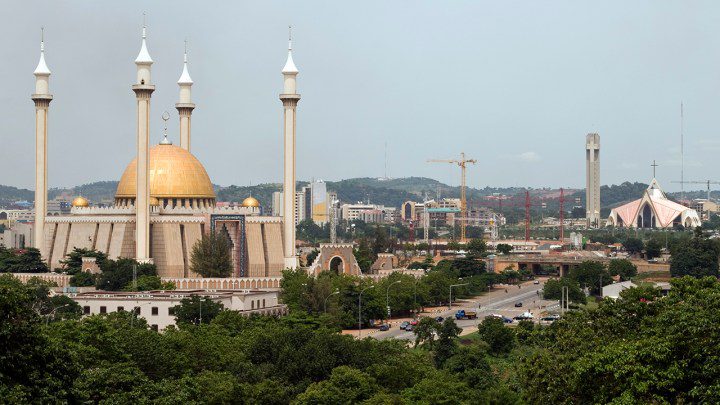
A new Pew Research Center analysis paints a detailed picture of Nigeria’s religious landscape, showing that Muslims make up a slim majority of the population while Christians form the next-largest group. Both faiths have seen rapid growth over the past decade, reflecting the country’s fast-rising population.
As of 2020, Pew estimates that 56.1% of Nigerians identify as Muslim, while 43.4% are Christian. The remaining fraction less than one percent belong to other religious traditions. Despite the close split, Nigeria remains the only country in the world ranking among the top ten for both Muslim and Christian populations.
Between 2010 and 2020, Nigeria’s Muslim population grew by 32%, reaching roughly 120 million, while the Christian population rose 25%, to about 93 million. The growth reflects high fertility rates and a youthful population, with half of Nigerians under the age of 18.
Although Islam and Christianity dominate, traditional African spiritual practices continue to influence many Nigerians. Surveys show that nearly 70% of adults believe in the power of spells or curses to affect people’s lives.
Nigeria’s religious demography has long been a contentious subject. The last national census to include religion dates back to 1973 and its results were never released amid accusations of data manipulation. Recent discussions about whether to include religion in the postponed 2023 census prompted the national statistics agency to clarify that it will not ask about faith affiliation for sensitivity reasons.
Pew’s findings come amid renewed attention to religious tensions and violence in the country. Nigeria is listed among seven nations with “very high” levels of social hostilities involving religion, alongside Afghanistan, India, and Egypt. Extremist groups such as Boko Haram and the Islamic State West Africa Province have targeted both churches and mosques, while conflicts between Muslim herders and Christian farmers in the middle-belt region continue to fuel unrest.
Government restrictions also remain significant. Nigeria falls into Pew’s “high” category for official constraints on religion, with Sharia penal codes in place in 12 northern states and the Federal Capital Territory. Authorities have used these laws to prosecute LGBTQI individuals and to charge citizens both Muslim and Christian with blasphemy.