
Plastic Pollution in Islamabad and Rawalpindi Poses Major Threat to Public Health and Environment
Plastic-made products such as shopping bags, disposable utensils, and food containers have become a serious challenge for both human health and environmental sustainability in Islamabad and Rawalpindi.
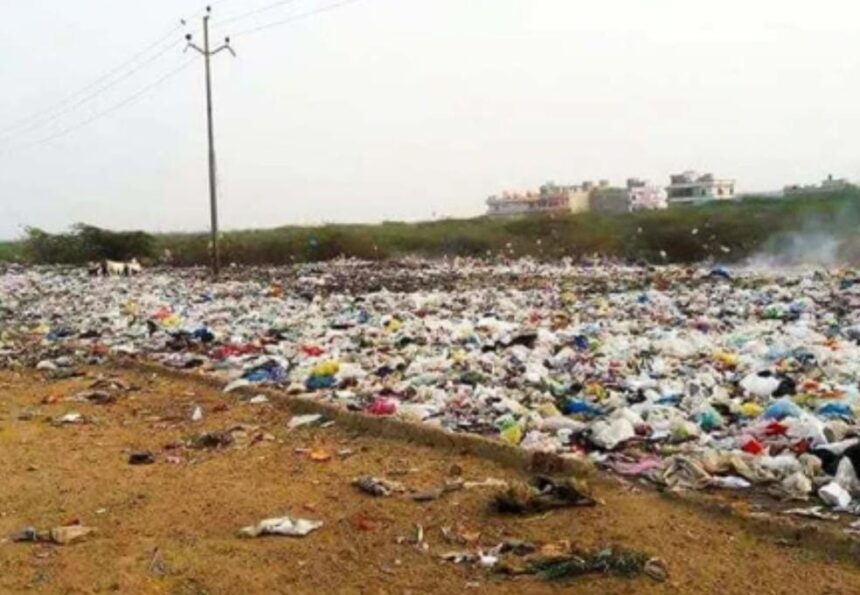
According to reports, like other cities, the twin cities are also facing severe impacts of climate change and plastic pollution. In Rawalpindi’s densely populated Liaquat Bagh area, a large section of the park has been turned into a dumping site. Nearby government offices — including the Rawalpindi Press Club, RDA, and PHA — have failed to relocate this massive dumpsite outside the city.
Similarly, a dumping area near Islamabad’s largest fruit and vegetable market continues to degrade the environment. Environmental and health experts have warned that immediate action is required to address this growing issue to safeguard Pakistan’s sustainability efforts.
Dr. Naveed highlighted the negative impacts of plastic pollution on human health, noting that it threatens aquatic life, clogs drainage systems, and contributes to numerous health problems. Despite awareness, plastic remains a part of everyday life — from household products to food packaging.
Dermatologist Shahid Baloch pointed out the health risks caused by plastic, stating that heating plastic releases toxic chemicals, which can lead to respiratory diseases and even cancer.
Environmental and health experts unanimously expressed concern over the severe health impacts of plastic proliferation. WWF Pakistan’s Director of Climate Action and Sustainability, Nazifa Butt, appreciated Chief Minister Maryam Nawaz’s “Clean Punjab” initiative and suggested that the federal government launch a “Clean Pakistan” campaign. She emphasized the urgent need to reduce plastic production, improve waste collection and recycling systems, and develop a regional circular economy framework for plastic management.
Pakistan currently fails to collect around 50% of its waste, much of which is dumped improperly. The country produces about 3.9 million tons of plastic waste annually — a figure expected to rise to 6.12 million tons by 2050. Nearly 70% (2.6 million tons) of this waste is mismanaged, ending up in open dumps or leaking into waterways.