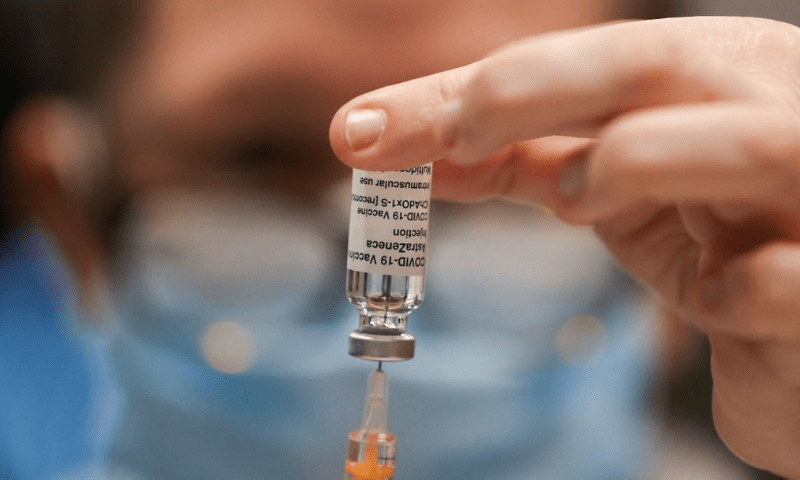
A new study has revealed that emergency vaccination campaigns over the past 25 years have led to nearly a 60% reduction in deaths during outbreaks of infectious diseases such as cholera, Ebola, and measles.
According to a report by AFP, the research also indicated that a similar number of potential infections were prevented, resulting in billions of euros in savings for the global economy.
The study was conducted in collaboration with Gavi, the Vaccine Alliance, and researchers from Australia’s Burnet Institute, aiming to assess the impact of emergency vaccination on global health and public safety.
In a statement, Dr. Sania Nishtar, CEO of Gavi, said, “For the first time, we have a comprehensive understanding both in human and economic terms of how effective vaccines can be during deadly disease outbreaks. This study clearly shows that vaccines are a cost-effective tool to manage the growing threat of epidemics.”
Published in the British medical journal BMJ Global Health, the research examined 210 outbreaks of five major infectious diseases cholera, Ebola, measles, meningitis, and yellow fever across 49 low-income countries from 2000 to 2023.
The study found that vaccination campaigns in these countries reduced both cases and deaths by nearly 60%. The impact was even more significant for some diseases, with yellow fever deaths reduced by 99% and Ebola-related deaths by 76% during outbreaks.
The research also emphasized that emergency vaccination efforts effectively curbed the risk of further spread during epidemics.
Moreover, the study estimated the economic benefits of such interventions. It calculated that the campaigns saved at least $32 billion only considering lives saved and disability prevented. The researchers noted that this figure is likely a conservative estimate, as it does not account for emergency response costs or broader social and economic disruptions caused by major epidemics.
For example, the 2014 Ebola outbreak in West Africa, which occurred in the absence of an approved vaccine, led to a global health crisis and cost over $53 billion to West African nations alone.
The findings highlight the critical role of emergency vaccination in saving lives and preventing economic losses, especially in vulnerable regions.