
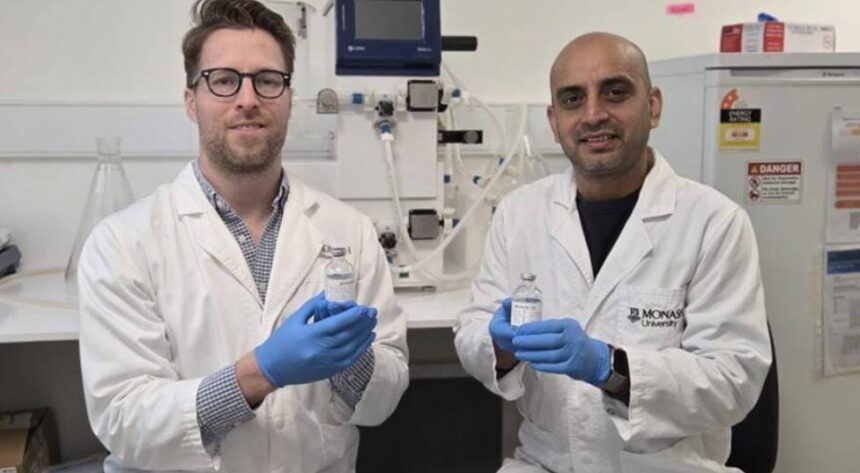
In a medical breakthrough that could save countless lives, scientists at Monash University and The Alfred have developed a virus cocktail that targets some of the deadliest drug-resistant infections seen in hospitals. The treatment, called Entelli-02, uses naturally occurring bacterial viruses — known as bacteriophages — to destroy superbugs that no longer respond to antibiotics.
Drug-resistant infections are a growing global health crisis, linked to more than 200,000 deaths in 2019. Now, researchers have created Entelli-02, a unique mix of five bacteriophages designed to seek out and kill Enterobacter infections — a group of dangerous bacteria that often resist even last-line antibiotics.
“This is the first time we’ve built a hospital-ready phage therapy product to fight a drug-resistant bacterial pathogen,” said Professor Jeremy J. Barr, senior author of the study published in Nature Microbiology.
Why this matters
Superbugs are a serious challenge for hospitals worldwide. They spread quickly, are difficult to treat, and can turn routine procedures into life-threatening situations. By using bacteriophages — viruses that attack only bacteria — scientists can precisely eliminate the infection without harming healthy cells.
How it works
- Five viruses, one goal: Entelli-02 combines five carefully selected phages to attack the bacteria from multiple angles.
- Proven results: In preclinical tests, the therapy cut bacterial loads by over 99% in infected mice.
- Safe for use: Manufactured to therapeutic-grade standards, it meets strict sterility and safety criteria for hospital use.
What’s next
Entelli-02 is already available for compassionate use under Australia’s Therapeutic Goods Administration program, and clinical trials are being planned to confirm its effectiveness in patients.
“This is a blueprint for hospitals worldwide to respond to superbug outbreaks with precision treatments,” Professor Barr said.