By using this site, you agree to the Privacy Policy and Terms of Use.
Accept
Media HydeMedia Hyde
  • Home
  • Politics
  • Education
  • Entertainment
  • Sports
  • Blogs
  • Business & Commerce
  • Others
    • Religious
    • Metropolitan
    • Climate and Weather
Font ResizerAa
Media HydeMedia Hyde
Font ResizerAa
  • Home
  • Politics
  • Education
  • Entertainment
  • Sports
  • Blogs
  • Business & Commerce
  • Others
    • Religious
    • Metropolitan
    • Climate and Weather
Follow US
© 2026 Media Hyde Network. All Rights Reserved.
Climate and WeatherHeadline

Scientists drill 3,000 feet into Antarctica’s Thwaites Glacier in risky race against melting ice

Last updated: May 20, 2026 12:46 am
Ayesha Masood
Share
Scientists drill 3,000 feet into Antarctica’s Thwaites Glacier in risky race against melting ice
SHARE

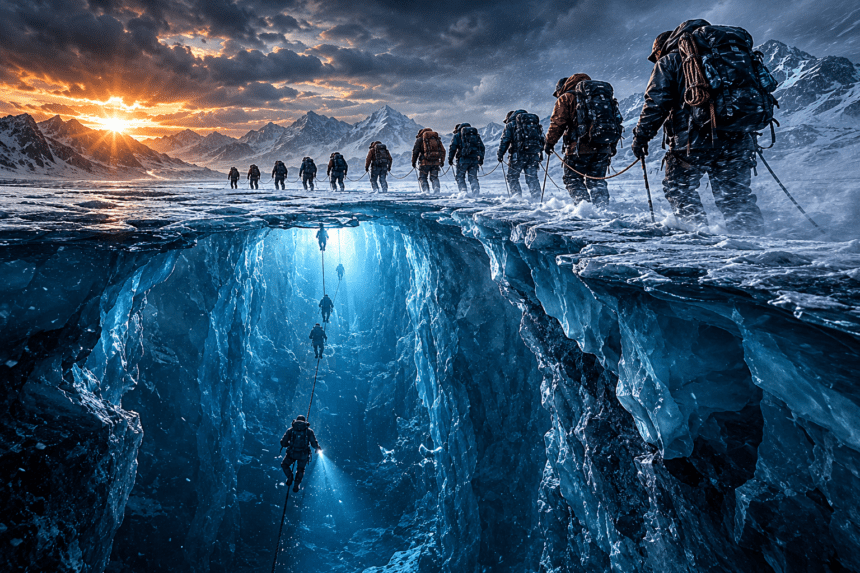
ANTARCTICA: Ten people, eight weeks and nearly 3,000 feet of ice stood between scientists and one of the least understood places on Earth: the dark ocean beneath Thwaites Glacier, the fast-changing Antarctic ice mass often called the “Doomsday Glacier.”

The expedition, involving researchers from the British Antarctic Survey and South Korea’s polar programme, used hot-water drilling to pierce the main body of Thwaites, a glacier so remote and unstable that even getting equipment to the site is a major feat. The goal was simple on paper but brutal in practice: drill through roughly 1,000 metres of ice and lower instruments into seawater beneath the glacier to measure how warm currents are eating away at it from below.

The team did break through. That alone mattered. PBS NewsHour reported from the ice that the 10-person crew had to shovel around 20 tons of snow into hot-water drilling containers before even reaching the point where science could begin. It’s hard to overstate how physical this work is. There are no easy fixes out there, no quick supply runs, no warm backup room waiting nearby. Just weather, machinery and a narrow window before Antarctica shuts the door again.

Once the borehole reached the ocean below, researchers collected rare direct measurements from under the glacier’s main trunk. Early reports said the instruments detected turbulent currents and relatively warm water capable of melting the ice from below — exactly the kind of data scientists need to improve sea-level rise forecasts.

But the mission didn’t end cleanly. The borehole, roughly 3,300 feet deep and about 11 inches wide, began refreezing and shifting before long-term monitoring instruments could be secured. The team eventually had to abandon equipment in the ice and leave the site, according to accounts of the expedition. Frustrating? Absolutely. A failure? Not really. Even a short look beneath Thwaites gives researchers information they’ve been chasing for years.

Thwaites matters because of scale. The glacier is about 120 kilometres, or 80 miles, wide, making it the widest glacier on Earth. Its basin covers roughly 192,000 square kilometres, and ice flowing from Thwaites into the Amundsen Sea already contributes about four percent of global sea-level rise. A wider collapse could raise sea levels by about 65 centimetres over coming centuries, while also destabilising nearby parts of the West Antarctic Ice Sheet.

That is why scientists keep going back, despite the danger and the cost. Thwaites sits at a vulnerable grounding zone, where the glacier lifts off the seabed and becomes a floating ice shelf. Warm ocean water can slide underneath that hinge-like area, melting ice from below in places satellites can’t fully see. Drill holes, underwater robots and direct sensors offer something models badly need: real-world measurements from the place where the damage is happening.

The expedition’s partial setback also tells its own story. Antarctica is not a laboratory with walls. It’s a moving, cracking, freezing system, and Thwaites is among its most difficult corners. The ice closed in before the scientists could finish everything they had planned. Still, they came away with evidence from beneath one of the world’s most consequential glaciers — and that may help coastal cities thousands of miles away understand what kind of future is heading their way.


Share This Article
Email Copy Link Print
Previous Article Electricity prices may drop by Rs1.93 per unit as tariff relief offsets fuel cost pressure Electricity prices may drop by Rs1.93 per unit as tariff relief offsets fuel cost pressure
Next Article BTS Named Among Guinness World Records 2026 ‘ICONS’ in Historic First for K-pop BTS Named Among Guinness World Records 2026 ‘ICONS’ in Historic First for K-pop
Leave a Comment

Leave a Reply Cancel reply

Your email address will not be published. Required fields are marked *

Sponsored Ads

Stay Connected

FacebookLike
XFollow
InstagramFollow
YoutubeSubscribe
WhatsAppFollow
ThreadsFollow
11 Karachi SHOs Removed Amid Ongoing Internal Inquiries
Breaking
May 20, 2026
NextEra’s Pursuit of Dominion Energy Faces Hurdles Over Data Center Power Demands
Business & Commerce Headline
May 20, 2026
Extortionists return to Karachi with threats, bullets and fear among traders
Court & Crime Headline
May 20, 2026
Driver in deadly Sea View hit-and-run still at large as police impound Revo vehicle
Court & Crime Headline
May 20, 2026
BTS Named Among Guinness World Records 2026 ‘ICONS’ in Historic First for K-pop
Entertainment
May 20, 2026
Electricity prices may drop by Rs1.93 per unit as tariff relief offsets fuel cost pressure
Business & Commerce
May 20, 2026

You Might Also Like

Climate and Weather

Punjab Floods: Death Toll Rises to 118, Over 4.7 Million People Affected

By
Wajeeha Batool
Traffic restored on Karakoram Highway following landslide as heavy rainfall lashes GB
Climate and Weather

Traffic restored on Karakoram Highway following landslide as heavy rainfall lashes GB

By
Ayesha Masood
Climate and Weather

Light to moderate rain forecast for Karachi on Sept 30

By
Hamna Raees
Climate and Weather

Pakistan Floods: Relief Efforts Move Toward Recovery as Millions Remain Displaced

By
Anoosha Malik
Media Hyde Media Hyde Dark
Facebook Twitter Youtube Rss Medium

About US

Media Hyde Network: Your instant connection to breaking stories and live updates. Stay informed with our real-time coverage across politics, tech, entertainment, and more. Your reliable source for 24/7 News.

Top Categories
  • Headline
  • Politics
  • Entertainment
  • Education
  • Sports
  • Religious
  • Metropolitan
  • Climate and Weather
Usefull Links
  • Contact Us
  • Disclaimer
  • Privacy Policy
  • Cookies Policy
  • Advertising Policy
  • Terms & Conditions

© 2025 Media Hyde Network. All Rights Reserved.

Welcome Back!

Sign in to your account

Username or Email Address
Password

Lost your password?