

October 28, 2025
Web desk
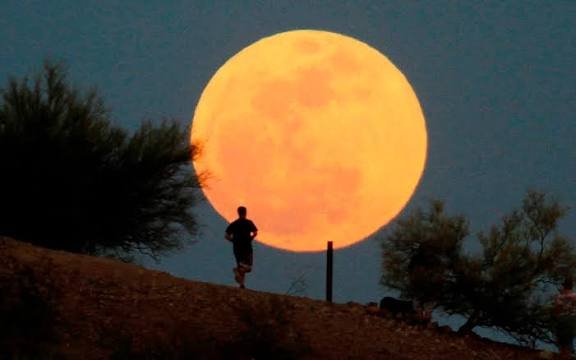
For centuries, people have believed the full moon affects human behavior and sleep. While it’s true that some studies have linked full moons to slightly reduced sleep time, scientists say the reason isn’t mystical it’s practical. The brightness of the full moon, especially before artificial lighting existed, likely disturbed natural sleep cycles.
Other explanations like the Moon’s gravitational pull or geomagnetic changes don’t hold up under scientific scrutiny. The tidal forces that move oceans are far too weak to impact the human body, and studies on atmospheric or magnetic changes show inconsistent results. This leaves nighttime light exposure as the most reasonable cause of lunar-related sleep disruptions.
Psychologists say the myth of the “full moon effect” persists because of illusory correlation: people remember strange nights that happen during a full moon but forget the ordinary ones. Plus, the Moon’s visibility makes it an easy scapegoat compared to hidden sleep disruptors like stress, caffeine, or late-night screen time.
In reality, artificial light from phones, streetlights, and screens has a far greater impact on sleep than moonlight ever could. Experts emphasize aligning our schedules with natural light cycles arguing that permanent standard time, not daylight saving time, best supports healthy circadian rhythms